How Fast Mold Actually Grows
Mold spores are already in every house, they arrive on air and dust and settle everywhere. What they wait for is moisture. On a material that stays wet, germination can begin within 24 to 48 hours, with visible colonies following in the days after if the moisture persists. That timeline is why water damage and mold are discussed in the same breath: the window between 'the room got wet' and 'the room is now also a mold problem' is measured in a weekend, not a season. The EPA's mold guidance makes the same point from the public-health side: control the moisture and you control the mold.
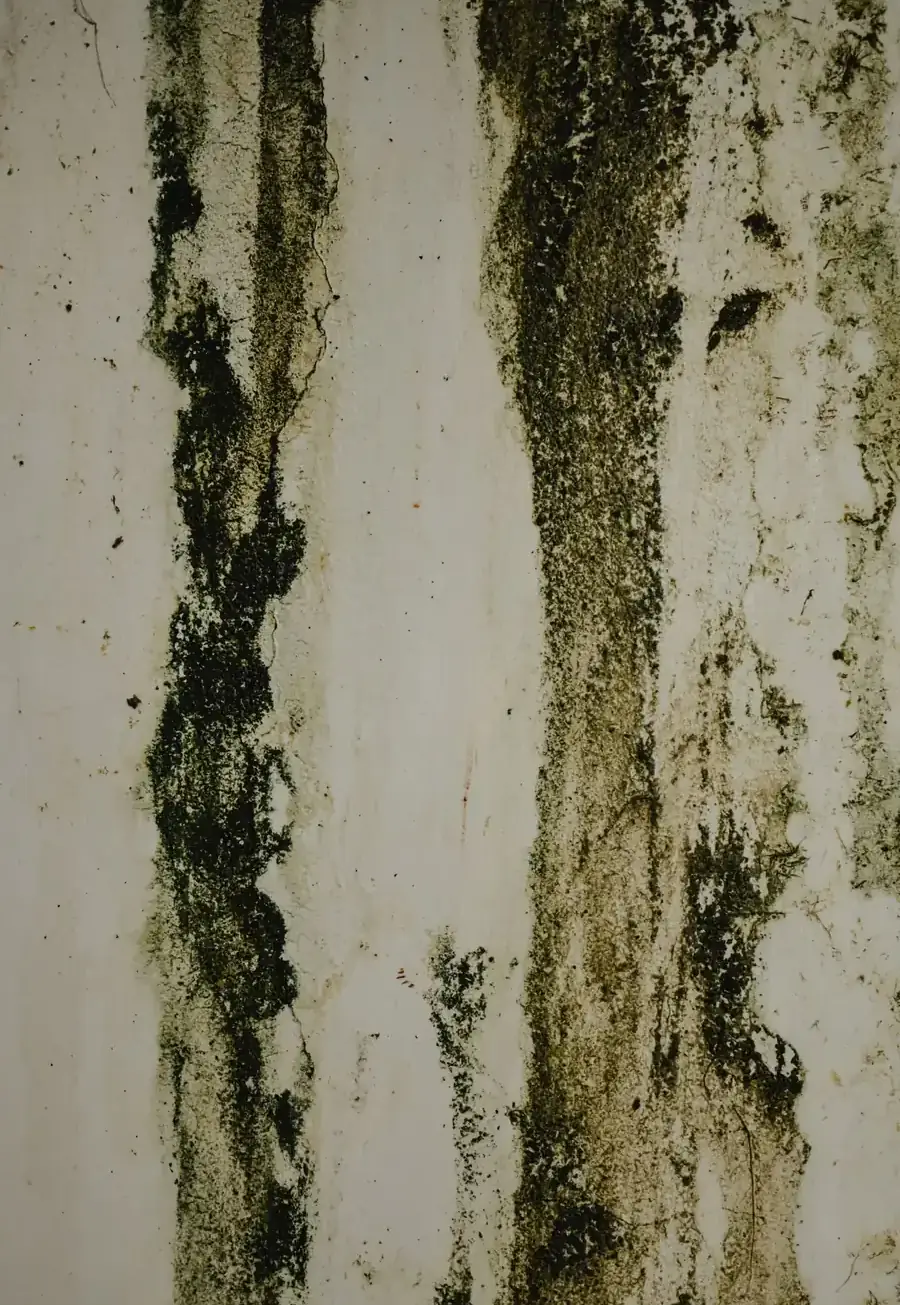
Speed matters at the other end too. Mold that has only just germinated on a surface that then dries out stops growing, drying does not have to beat an entrenched colony, just the clock. Which is why the real question after any water event is not 'is there mold?' but 'how fast is this getting dry?'
What Mold Needs, And What It Doesn't
Mold needs moisture, a food source, and time. The food source is the easy part: drywall paper, wood, dust, and the backing of flooring all qualify, which is to say the inside of a wall cavity is a stocked pantry. It does not need darkness, whatever the folklore says, it tolerates darkness, which is different, and it does not need the water to be dirty. Clean water from a burst supply line grows mold just as readily once it has sat in a wall for two days, which surprises people whose leak was 'only water.' Category matters for cleanup decisions, not for whether mold is possible.
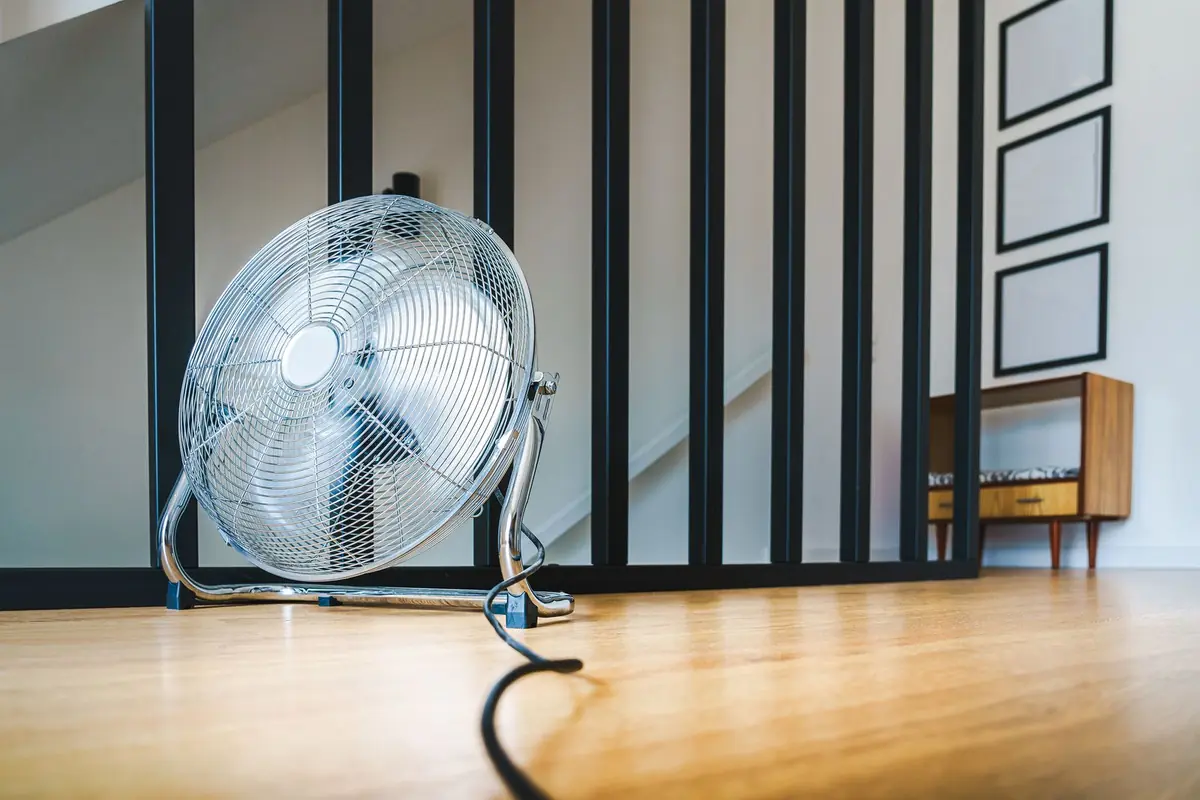
The variable you control is moisture. Take it away, genuinely away, verified with readings, and growth stops being a risk and becomes a residue question. That control is precisely what drying and dehumidification are for.
What Actually Prevents It
- Extraction within hours, not days. Liquid water removed is moisture that never soaks in, the single largest factor in whether mold appears.
- Verified drying. Materials brought to their dry standard, the readings of the same materials in a dry room, and confirmed with a meter, including inside wall cavities, not just on surfaces.
- Removing what cannot dry. Soaked insulation, swollen particleboard, and wet carpet pad hold moisture past every deadline; taking them out is prevention, not waste.
- Cleaning as you go. Affected surfaces cleaned before closing, so what gets sealed into a wall or under a floor is clean and dry, the same discipline applied to ceiling and wall water damage, where cavities hide the moisture longest.
What Doesn't Work
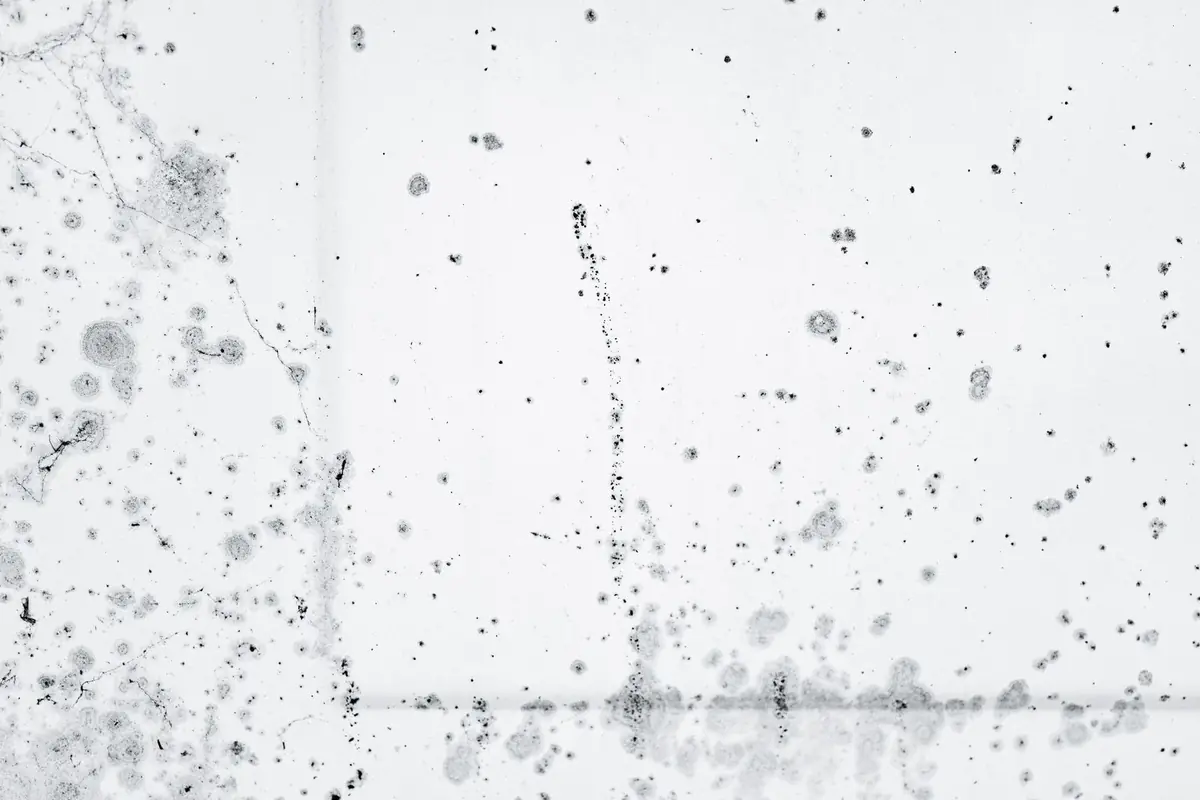
Bleach on porous materials. Bleach's active ingredient largely stays on the surface of drywall and wood while its water soaks in, feeding the moisture problem, and it does nothing for the cavity behind. It has its uses on hard, non-porous surfaces; as a mold cure for a wet wall it is a myth with good marketing.
Painting over it. 'Mold-resistant' paint over still-wet drywall seals moisture in with the colony. Paint is a finish, applied at the end of a dry job, used early, it preserves the problem in place. And ozone generators and foggers do not remove moisture at all, which means they do not touch the cause; growth resumes from the same wet material as soon as the treatment ends. Every failed remedy shares the same flaw: it addresses the visible colony and leaves the water that grew it.
The mold equation is short: wet materials plus two days equals growth; dry materials equal no growth, full stop. Everything that works works by drying, fast, thoroughly, and verified. If you are reading this with a wet room in the house, our realistic drying timelines show what 'fast' has to mean for each material you own. The clock is already running, but it is very beatable from here.
If you are reading this with mold already visible, scale decides the response. The EPA's general guidance is that a small area, roughly under ten square feet, can typically be handled by the occupants themselves on hard surfaces, with the moisture source fixed first. Larger areas, mold inside wall cavities or HVAC systems, and any mold following sewage or floodwater belong to professionals, both for the protective equipment involved and because disturbing a large colony without containment spreads spores to rooms that were clean. When in doubt about which case yours is, that doubt is itself the answer: get it assessed.
Testing deserves a sentence, because it is often sold hard: for most homeowner situations, identifying the mold's species changes nothing about the remedy, which is always removal plus moisture control. Your money is usually better spent on the drying and the fix than on a report naming what you can already see.