
Extraction looks simple from the doorway, get the water out, but the equipment and the order matter. Deep water in a garage or a pier-and-beam crawlspace comes out with submersible pumps. Water across living areas is pulled with truck-mounted or portable extractors, and carpet gets weighted extraction: a tool that presses and draws water out of both the carpet and the pad beneath it in the same pass. On tile, concrete, and other hard surfaces, extraction pairs with squeegees and hard-surface wands that chase water out of grout lines and slab control joints instead of pushing it from room to room.
Just as important is knowing where the water went. Water in a Sherman slab home travels under luxury vinyl and laminate through the underlayment, wicks up drywall a foot or more above the floor line, and pools in wall cavities, most of it invisible from the surface. That is why extraction includes moisture mapping: meter readings across floors and walls, recorded as the map that the drying plan and any insurance documentation are built on. Pulling the visible water and skipping the map is how 'dry' rooms turn musty a month later.
Extraction is also where the record of the job begins. Photographs of the standing water, the first moisture readings, and notes on the source are taken during this stage, the documentation any insurance claim will later depend on. Skipping ahead to drying without that record, or mopping a room dry before anyone photographs it, is how homeowners end up arguing about a loss they can no longer show. The contractor's extraction visit creates the paper trail while it removes the water. The same visit also settles the question homeowners ask while standing in the puddle, how far did it get?, with readings instead of opinions, which is what the rest of the job gets planned around. Extraction done properly is therefore both the rescue and the survey.
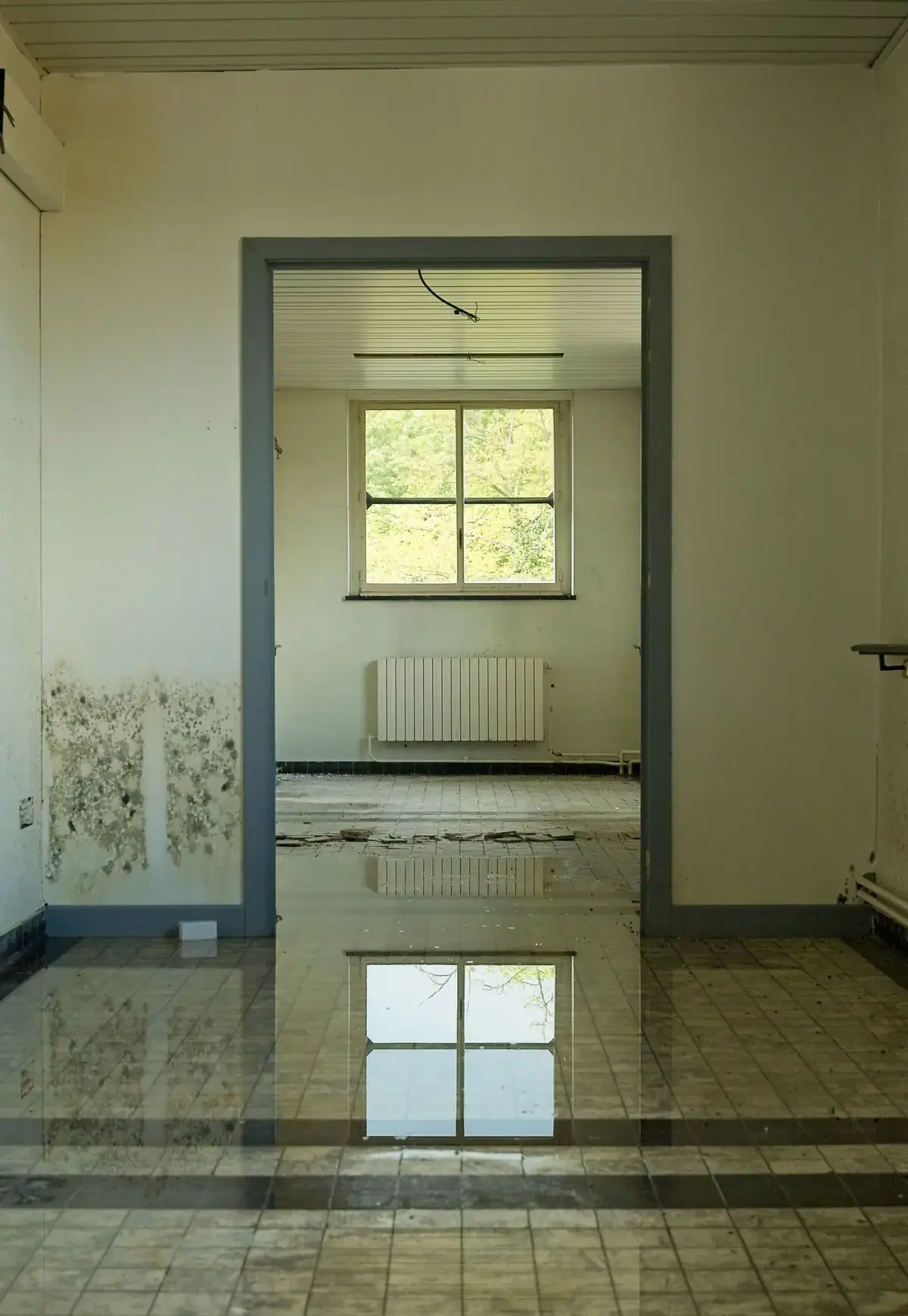
How Water Extraction Works
A typical extraction visit on a Sherman property runs in this order:
- The source is confirmed stopped and the water's category checked, sewage or floodwater changes the protective equipment and what can be saved.
- Deep standing water is pumped first, garages, sunken rooms, and crawlspaces under pier-and-beam homes near downtown.
- Carpet is extracted with weighted tools that pull water from the pad as well as the carpet face, which is what makes saving carpet possible at all.
- Hard floors are extracted and squeegeed, including water sitting in grout lines, expansion joints, and the gap under baseboards.
- Furniture is lifted onto blocks or moved out of wet areas so legs, particleboard bases, and upholstery stop wicking water upward.
- Contents in the water's path are triaged, what can be moved out to dry ground is, and what was soaked is photographed in place before it moves, so the record and the rescue happen in the same pass.
- Moisture is mapped and recorded, readings at walls, floors, and cabinets that define exactly what the drying stage has to achieve.
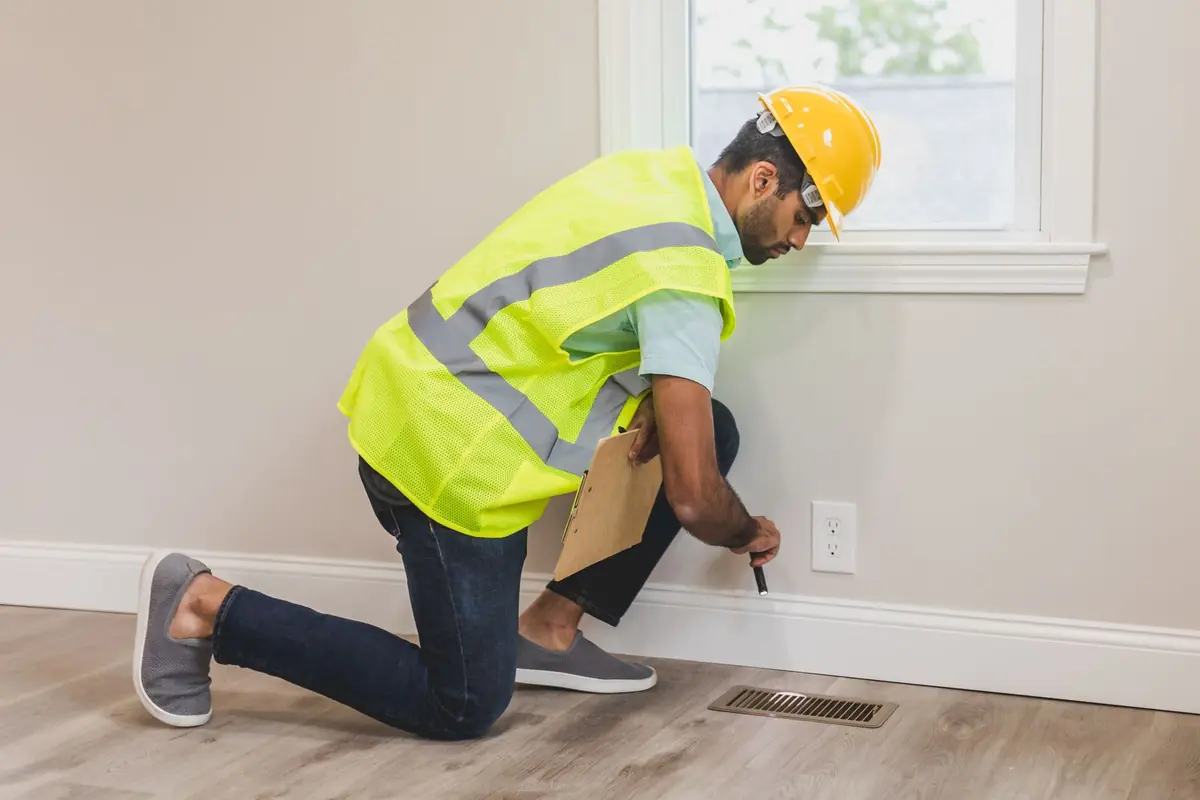
Signs Water Has Spread Further Than You Can See
The puddle is the honest part. These are the signs the water kept travelling:
- Flooring that feels warm in one spot (a hot-water line leaking under the slab) or spongy underfoot near walls.
- Baseboards swelling, separating from the wall, or showing a water line above the floor.
- Paint bubbling or blistering in the first foot or two above the floor, days after the event.
- A musty smell developing in a room that 'only got a little water in it'.
- Water appearing in a room that shares a wall with the wet one, wall cavities carry water sideways.
- Electrical outlets or switches low on a wet wall that feel warm, buzz, or trip a breaker, water has reached the wiring level, and the room needs a safety check before anything else.
Extraction In Sherman's Different Foundations
In a slab home, most of Sherman east and west of the parkway, escaped water does not sit politely on top of the concrete. It runs beneath vinyl plank and laminate through the underlayment, travels along the slab's surface to rooms the leak never touched directly, and pools against wall bases where it wicks upward. Extraction in a slab home therefore includes the edges: lifting a loose flooring edge where readings demand it, drawing water out from under floating floors, and checking the perimeter walls of rooms that look dry. The puddle is the smallest part of the job.
Pier-and-beam homes downtown and near Austin College present the opposite geometry. Water falls through, into a crawlspace where it can stand against piers and soak the ground for days without a single visible sign upstairs. Extraction there means pumping the crawlspace itself, then verifying the subfloor and floor framing from below before anyone declares the house dry. Carpet in these older homes sometimes lies over original hardwood, which adds a decision: extract and dry both layers in place where the water was clean, rather than tearing up a floor that has survived a century to save one that has survived a decade.
Questions & Answers
Can I Just Use A Shop Vacuum And Fans?
A wet/dry vacuum handles a few gallons from a small spill, and it is a reasonable first move while you wait. A flooded room is a different scale: hundreds of gallons, water already inside the carpet pad and wall bases, and no way to verify what is still wet. Professional extraction is about volume, speed, and the moisture map that follows, the shop vac does none of the three at that scale.
How Long Does Extraction Take?
A single room is usually a matter of hours. A whole-house flood, a deep crawlspace, or water that has to be pumped before extraction can begin will take longer. The contractor can give you a realistic timeline once the moisture map shows how far the water travelled.
Is Extraction The Same As Drying?
No, extraction removes liquid water; structural drying removes the moisture that soaked into materials. Extraction comes first and makes drying faster and less costly, but a room that has been extracted is still wet inside its walls and floors until the drying stage finishes.
Can My Carpet Be Saved?
Often, yes, when the water was clean (Category 1) and extraction starts promptly. The pad underneath is less forgiving and is frequently replaced even when the carpet is saved. With gray or black water, carpet and pad in the affected area usually have to go, because they cannot be sanitised reliably.
What About Water Under A Pier-And-Beam House?
Crawlspace water is common in Sherman's older downtown and Austin College-area homes. It is pumped out, the ground cover checked, and the crawlspace dried with directed air, because moisture left under the house feeds straight up into the floor system above it.
Related Services
Structural Drying & Dehumidification
Air movers and dehumidifiers placed to a plan, moisture readings taken daily, and materials dried to a measured standard, not a guess.
About this service →Flood Damage Cleanup
Storm and rising-water cleanup for Sherman homes: extraction, mud and debris removal, sanitising, and full structural drying.
About this service →Burst Pipe Water Damage
Freeze splits, slab leaks, and sudden line failures, water extracted and dried, wet cavities opened where needed, and the room restored.
About this service →Emergency Water Damage
Urgent water events at any hour: bursts, floods, and backups triaged on a single call, with extraction and drying started fast.
About this service →Water Damage Help Across Sherman
The same water extraction work is done across Sherman, in Downtown & the Courthouse Square, where the housing stock shapes the job, and in East Sherman as well. See all Sherman service areas for the full picture of where our network works.