
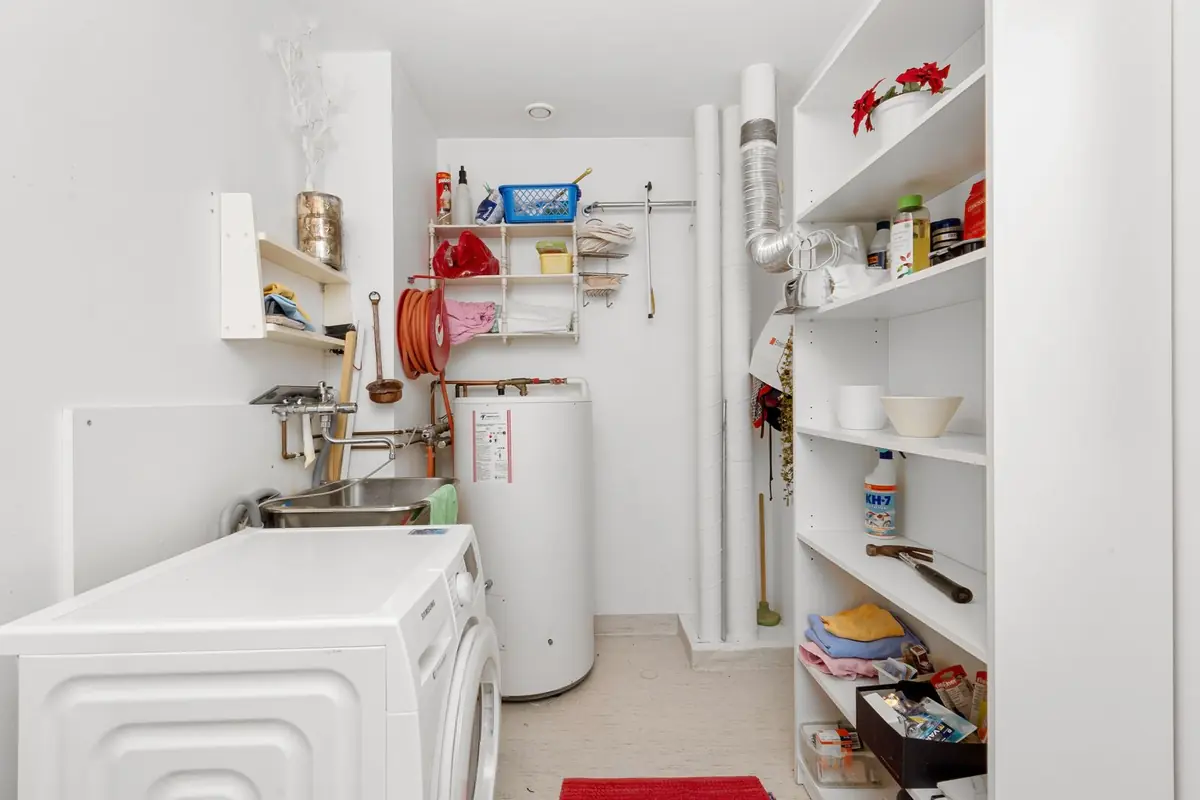
The sudden failures are a plumbing fact: some appliance connections are under full household water pressure around the clock. A washing machine's rubber supply hose sits pressurised every hour of its life, and when it splits, usually at a fitting, usually when nobody is home, the line runs open until someone shuts it off. A water heater is worse: the tank itself empties, then the supply keeps feeding the leak. In the two-story homes going up west of the Texoma Parkway, heaters are often installed in attics, which converts a tank leak into water through the ceiling of the room below.
The slow failures do more total damage. A dishwasher with a tired door seal or a refrigerator ice-maker line with a pinhole sprays or drips a little water with every cycle, straight into the subfloor and cabinet bases where nobody looks. By the time the kitchen floor feels soft or the cabinet smells musty, the wet area is usually far bigger than the appliance's footprint, water has been travelling under flooring and wicking into wall bases for weeks. Appliance cleanup therefore starts with a moisture map well beyond the visible damage.
Absence is the multiplier. Appliance failures do their worst in empty houses, during the workday, over a holiday weekend, in a rental sitting between tenants near the college. A supply line does not know the house is empty; it runs until it is found. If Sherman homeowners take one habit from this page, it is this: when the house will be empty for more than a day or two, close the main shutoff. It takes a minute, and it converts every appliance in the building from a standing risk into a drained one.
How Appliance Leak Cleanup Works
Appliance jobs follow the water, in this order:
- The appliance's own valves are closed, every appliance has (or should have) a local shutoff; finding and using it is step one.
- Standing water is extracted, including water that ran under flooring, cabinets, and into neighboring rooms.
- The floor system is assessed properly, moisture readings under vinyl and tile, subfloor checks, and cabinet toe-kicks removed where water went underneath.
- Drying is directed where the water went, under appliances, into cabinet bases, and along wall bottoms, not just into the open room.
- The failed part must be repaired or replaced by a plumber or appliance technician before anything is closed up; restoration never seals a live leak back in.
- Swollen or rotted materials are replaced, subfloor sections, cabinet bases, and flooring that slow leaks destroyed get cut out and rebuilt.
Signs An Appliance Is Leaking Before The Flood
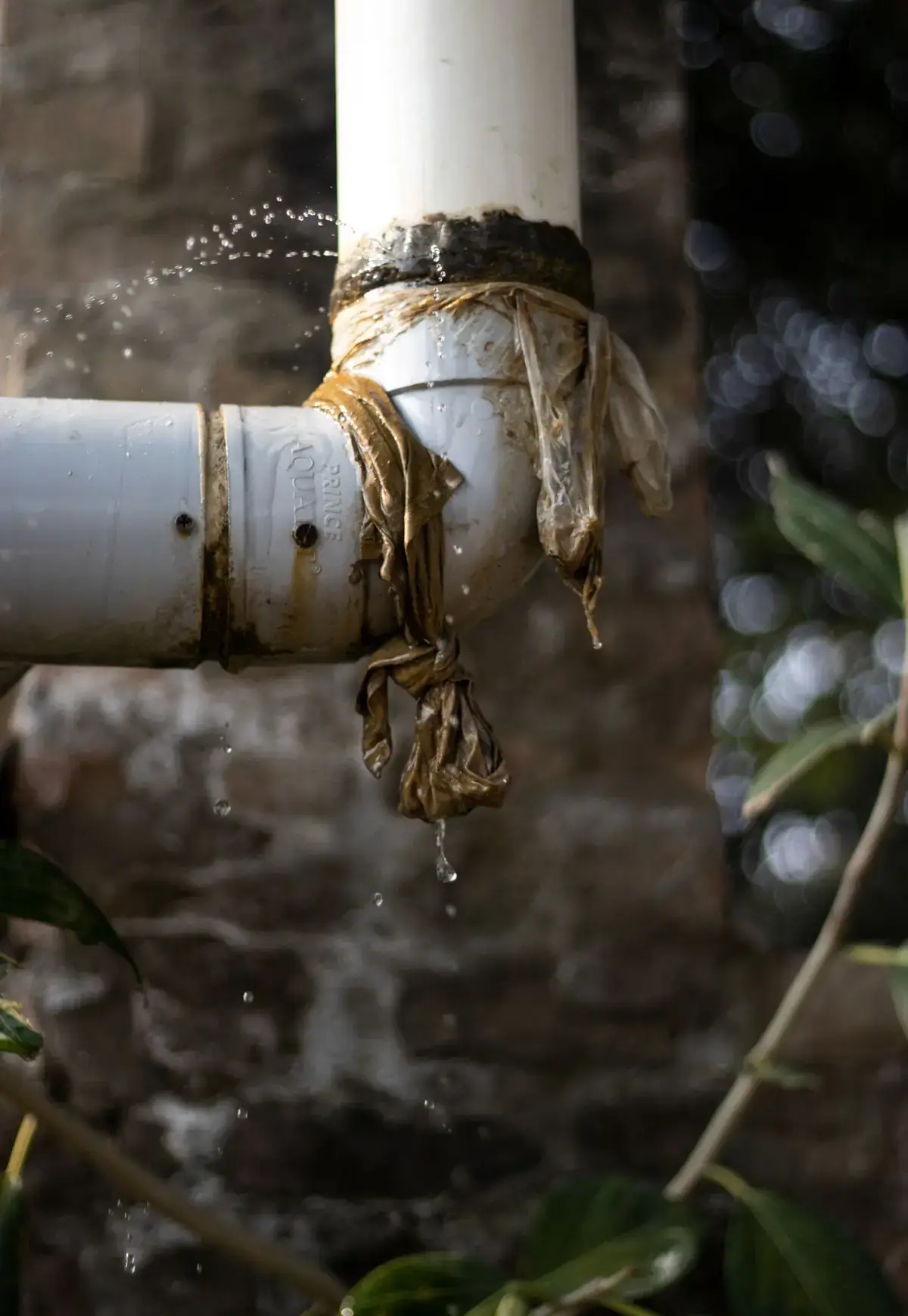
Appliances usually warn you. The warnings look like this:
- Rust streaks at a water heater's base or fittings, or water in its drain pan.
- Washing machine hoses that bulge, crack, feel brittle, or show corrosion at the fittings.
- A musty smell inside kitchen cabinets, worst near the dishwasher or sink base.
- Flooring that warps, lifts, or feels soft in front of the dishwasher, fridge, or washer.
- An air-conditioning closet or attic pan with standing water, a condensate line already clogging.
The Appliance Audit: Every Pressurised Connection In The House
Appliance leaks stop looking random once you inventory the connections. Walk the house once with a flashlight: the water heater's inlet, outlet, drain valve, and relief line; the washing machine's two hoses; the dishwasher's supply and its door seal; the refrigerator's ice-maker line, often a thin tube tapped into a nearby pipe and forgotten for a decade; every toilet's supply line and tank fittings; the HVAC's condensate drain and its overflow pan; sink supply lines in every vanity and the kitchen. That is a dozen or more pressurised or water-carrying connections, most of them older than the paint in their rooms.
The fixes scale from free to modest. Closing valves before trips costs nothing. Braided stainless supply lines replace the rubber generation everywhere it survives. Drain pans under heaters and washers, with their drains actually clear, convert tank failures into contained events, and inexpensive water alarms placed in those pans and behind washers announce leaks while they are still mop-sized. None of this requires a contractor; it requires one pass through the house with the inventory above, ideally before the appliances make their own introductions.
Related Guides
From our water damage guides, the homeowner side of this service, in plain language:
Water Heater Leaking: Shutoff Steps And What Happens Next
A leaking water heater keeps making water until you stop it. The shutoff sequence, power, gas, water, drain, and what decides repair versus replacement.
Read the guide →Washing Machine Hoses: The Quiet Flood Risk In Your Laundry Room
Two rubber hoses under full water pressure, 24 hours a day, behind an appliance nobody inspects. Why washer hoses fail, the 5-minute check, and the upgrades that end the risk.
Read the guide →Questions & Answers
How Much Damage Can A Washing Machine Hose Really Do?
An open supply line keeps flowing until it is shut off, so the volume is limited mainly by how long it runs unnoticed, a workday or a vacation weekend turns a hose failure into one of the largest residential water losses there is. It is also one of the most preventable: our guide to washing machine and supply-hose failures covers the checks and the upgrade that removes most of the risk.
Should I Replace Washer Hoses Before They Fail?
Yes, supply hoses are consumable parts, not lifetime fittings. Manufacturers recommend replacing rubber hoses every few years, and braided stainless-steel lines are the stronger standard. Check yours for bulges and corrosion at the fittings; if you cannot remember how old they are, they are old enough to replace.
My Water Heater Is In The Attic. What Should I Watch?
The drain pan and its drain line: the pan should be dry, and a wet pan means the tank or a fitting is already leaking. Attic heaters deserve a look every season, a pan sensor that alarms is inexpensive insurance, and any rust at the tank base or fittings is a replacement conversation to have before the tank makes the decision for you.
Who Repairs The Appliance Itself?
A plumber or appliance technician, depending on the failure, the restoration contractor handles the water damage the failure caused. The sequencing matters: the source is repaired (or the appliance replaced) before floors and walls are closed back up, and the contractor coordinates the work so your home is not opened twice.
The Floor In Front Of My Dishwasher Feels Soft. How Far Has It Spread?
Further than the soft spot, most likely. Slow appliance leaks travel under flooring and into subfloor and wall bases well beyond where the damage is visible. A moisture map, readings across the kitchen floor and adjoining walls, is how the real boundary gets drawn before anyone quotes the repair.
Related Services
Water Extraction & Removal
Standing water pumped and vacuumed out of floors, carpets, and crawlspaces, the step that limits every bit of damage after it.
About this service →Ceiling & Wall Water Damage
Stains, sagging drywall, and bubbling paint from upstairs and overhead leaks, sources traced, wet assemblies dried or removed, rooms restored.
About this service →Structural Drying & Dehumidification
Air movers and dehumidifiers placed to a plan, moisture readings taken daily, and materials dried to a measured standard, not a guess.
About this service →Slab Leak Cleanup
Water escaping under the concrete: detection support, extraction of the water that surfaces, and measured drying of floors and walls.
About this service →Water Damage Help Across Sherman
Wherever it happens in Sherman, the response is shaped by the building: the appliance leak cleanup needed in Downtown & the Courthouse Square is not identical to an East Sherman job. Read more on our service areas overview.