Why Hoses Fail
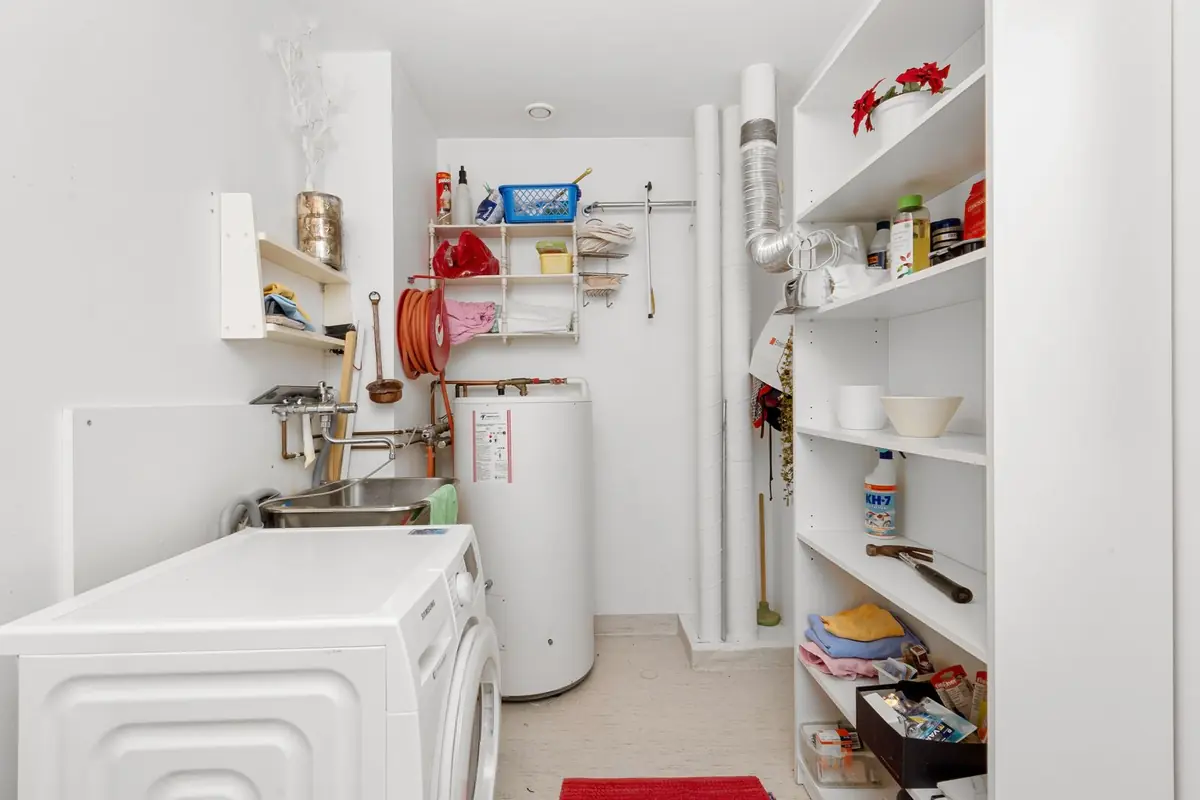
Almost every other pipe in your house carries water intermittently. The washing machine's supply hoses carry it constantly, full household pressure, day and night, whether the machine runs or not, because the valves that stop the flow live inside the washer, at the far end of the hoses. A rubber hose under permanent pressure ages from the inside, weakens at its fittings where the crimp stresses the material, and eventually splits or slips, usually, by bitter coincidence, when the house is empty, because that is when nobody hears it and the water runs longest.
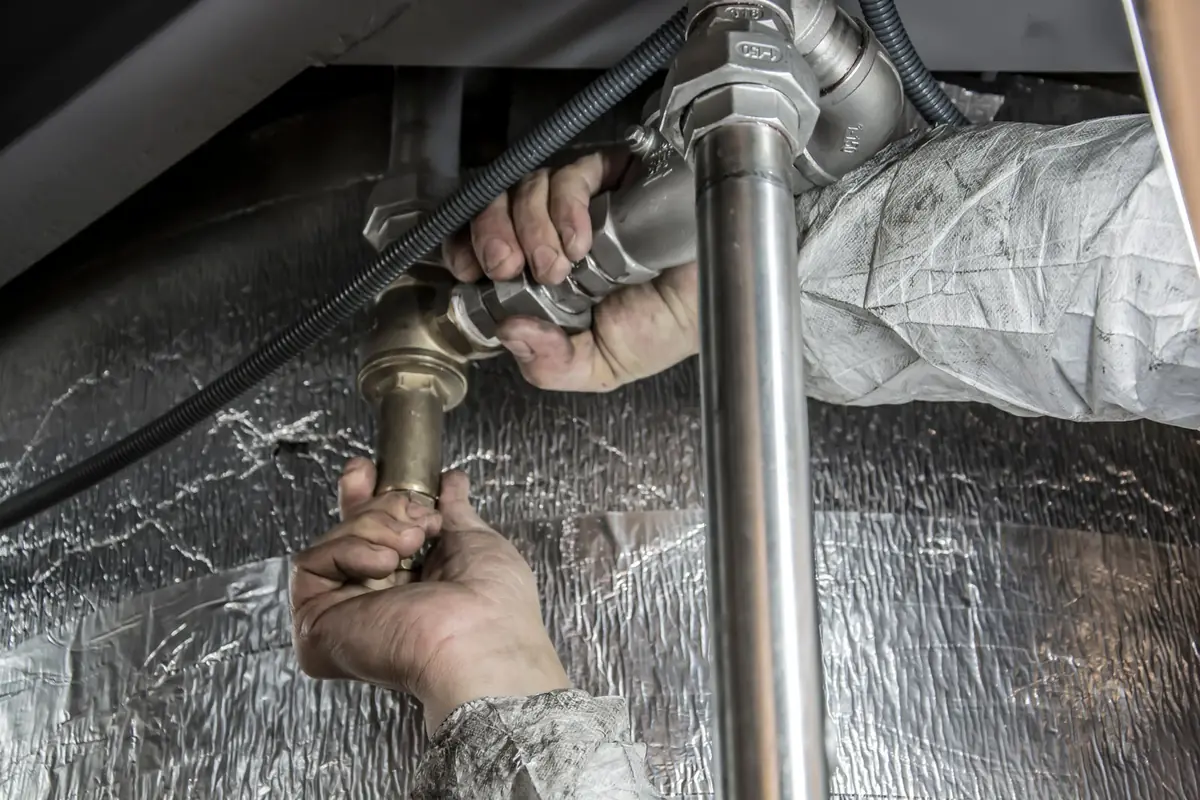
The failure is quiet until it is enormous. Unlike a burst pipe in a wall, a washer hose gives no early stain to watch; the hose looks tired for years and fails in a second. It is the purest example in the house of a risk you retire by replacement rather than by vigilance, though vigilance helps too, which is the next section.
The Five-Minute Check
Twice a year, pull the washer out far enough to see the hoses, or use a phone light and a mirror, and look for: bulges or blisters in the rubber; cracks or a dry, stiff feel when you flex the hose gently; rust or green corrosion at the fittings; and any dampness at the connections or on the floor beneath. Check that the valves behind the machine actually turn, a seized valve is a failed valve on the night you need it. Then the honest question: how old are these hoses? If you do not know, they are old enough, manufacturers recommend replacing rubber washer hoses every few years, and 'age unknown' is the most common finding in laundry flood reports.
Finding any of the warning signs does not mean a flood is scheduled for Tuesday. It means the hose has used up its safety margin, and a pressurised component with no margin is replaced on your schedule rather than its own. It is also the moment most people discover they need appliance leak cleanup help far less often once the wearing parts are current.
Upgrades That Remove Most Of The Risk
- Braided stainless-steel hoses, the modern standard. The braid resists the bulging and bursting that age rubber out, and they cost little more than the rubber they replace.
- Automatic shutoff valves, fittings that sense a burst hose's sudden flow and close the line themselves, converting a flood into a puddle even in an empty house.
- A drain pan under the washer, especially on a second floor, where laundry rooms over living space turn small leaks into ceiling damage below.
- The habit of closing the valves, when the house will be empty for days. The valves are right there; on a vacation departure list they belong next to the thermostat.
If It Already Burst
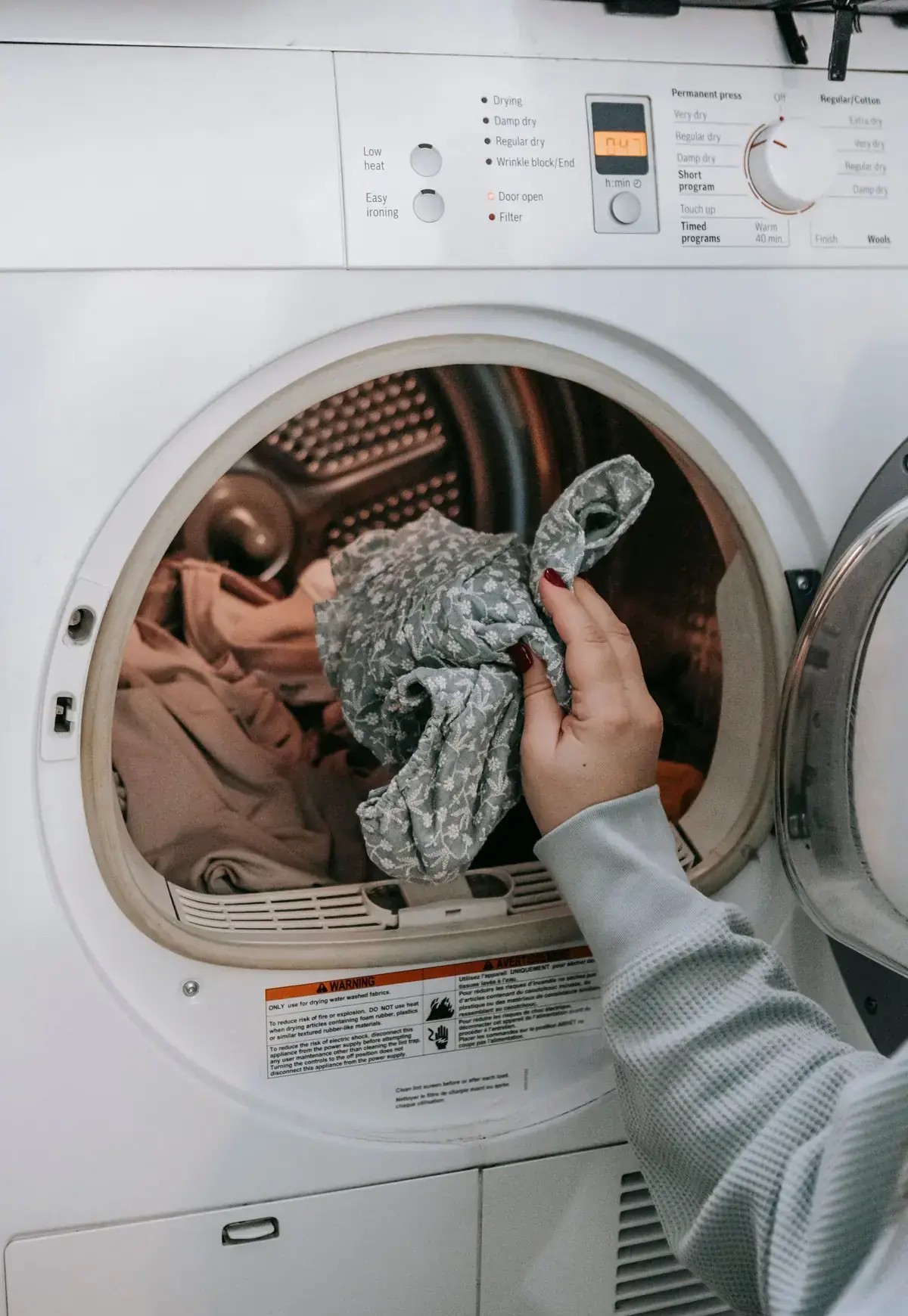
Close the valves behind the machine (or the main shutoff), keep clear of water near the washer's outlet and cord, and treat the laundry room like any other flood: extract fast, because the water has already run under flooring into the neighboring rooms while the hose ran. Laundry floods are deceptive, the visible room is small, the travelled water is not, and the drying that follows is a full structural drying after a laundry flood, measured at the walls and floors of every room the water reached.
Of all the water damage in this guide series, the washer hose is the one a homeowner can most completely prevent: twenty minutes, two braided hoses, and a valve check twice a year. Its partner in the appliance cluster, the appliance that fails by tank rather than by hose, is covered in our water heater leak steps. Check both, and the laundry and utility rooms go back to being the dullest rooms in the house, as they should be.
Two settings raise the stakes on everything above. A laundry room on the second floor, common in Sherman's two-story subdivisions, puts the flood over the living space, and a drain pan plus an automatic shutoff valve stop being upgrades and start being the standard of care. And in a rental, the hoses are the landlord's quiet liability: tenants rarely inspect them, leases rarely mention them, and the water does not care whose name is on the deed. Owners of Sherman rentals near the college, where laundry runs hard and houses turn over yearly, should have hose age on the same checklist as smoke alarms.
The same logic extends past the laundry room door. Dishwasher supply lines, refrigerator ice-maker tubes, and toilet supply lines are the same component family living the same pressurised life. A house that gets braided lines and a valve check at the washer has usually earned the full tour, the other connections take minutes each while the tools are out.