
The setting is Sherman's ground itself. The city sits on Blackland Prairie clay, an expansive soil that swells as it takes on water and shrinks as it dries, moving everything poured on top of it by small, relentless amounts. Most of Sherman's homes, the postwar ranches east and west, the subdivisions along the parkway, are slab-on-grade, with copper or galvanised supply lines and cast-iron or PVC drains running through or beneath that moving concrete. Decades of seasonal movement, plus corrosion working on older metals, open leaks that discharge straight into the soil under the house. Our guide to slab foundations and water in Sherman covers the soil mechanics in full.
Because the water starts underground, a slab leak announces itself sideways: a bill, a warm patch of floor, a meter that will not sit still, flooring failing in a room with no fixture in it. By the time those signs appear, water has usually been travelling along the slab's underside and wicking into walls and floor coverings well beyond the break itself. Cleanup therefore has two halves that have to meet in the middle: the leak, found and fixed by detection equipment and a plumber, and the damage, mapped with moisture readings and dried to standard, which is the half this page describes.
Drain lines deserve a mention alongside supply lines, because they leak under slabs too and advertise differently. A cracked drain does not move the meter or raise the bill; it erodes. Escaping drain water washes soil fines out from under the concrete over months and years, and the signs are sewer smells indoors, drains that block repeatedly, and, in advanced cases, a floor that has settled or cracked along the line's run. Detection there is a camera through the line rather than a listening disc on it, and the cleanup includes checking what the escaping water did to the soil the slab is standing on.
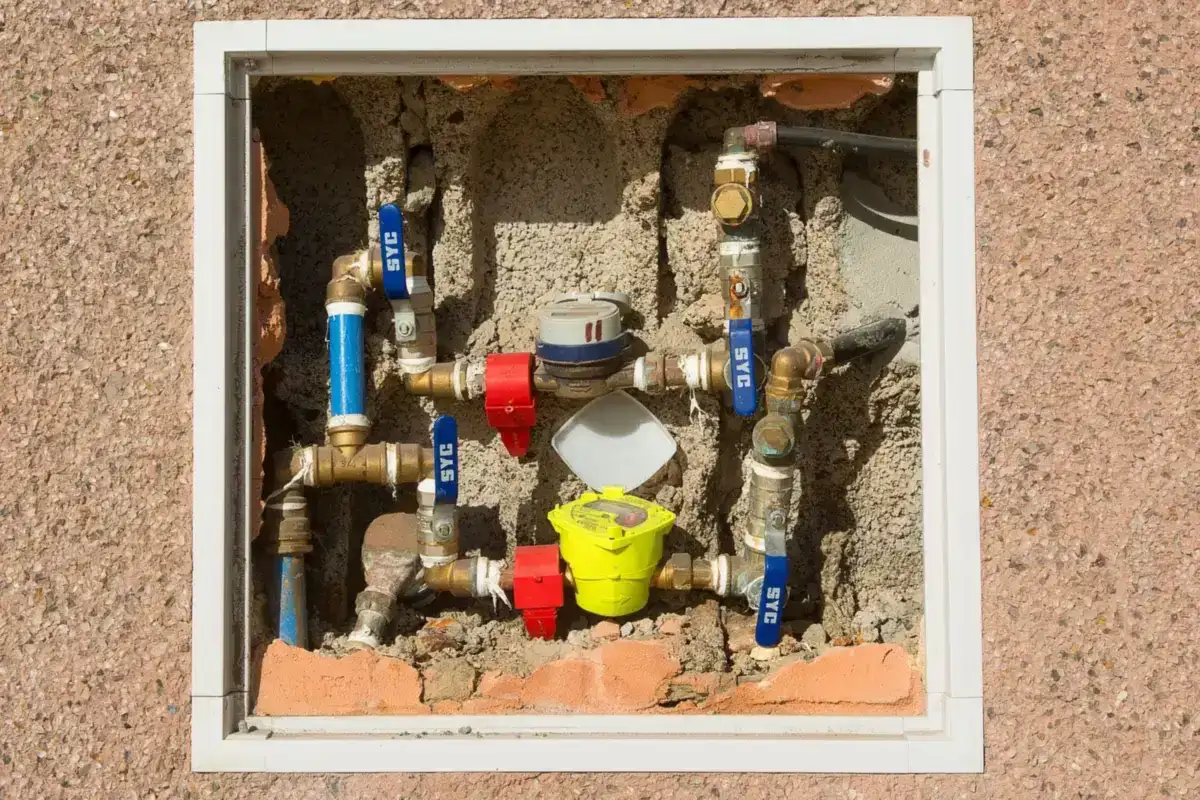
How Slab Leak Cleanup Works
A slab leak job runs from confirmation to verified dry, in this order:
- The loss is confirmed with a meter test, every fixture off and the meter watched: a moving dial with a silent house means water is leaving somewhere.
- The location is narrowed instrumentally, acoustic listening equipment, pressure testing, and thermal imaging in support, so any opening in the concrete is made at the break, not at a guess.
- The repair route is chosen with the plumber, a spot repair through the slab, or a reroute that abandons the buried section and runs the new line through walls or the attic.
- Surfaced water is extracted and wet flooring assessed, readings across every room the moisture reached, including rooms the leak never touched directly.
- Floors and walls are dried to measured standards, directed air at slab edges and wall bases, dehumidification, and daily readings at the mapped points.
- Any opened concrete and flooring are restored, the slab patch, floor coverings, and trim put back once the repair is pressure-tested and the materials verify dry.
- The meter is re-tested at the end, a still dial with the house quiet is the proof the loss is actually over, not merely quieter.
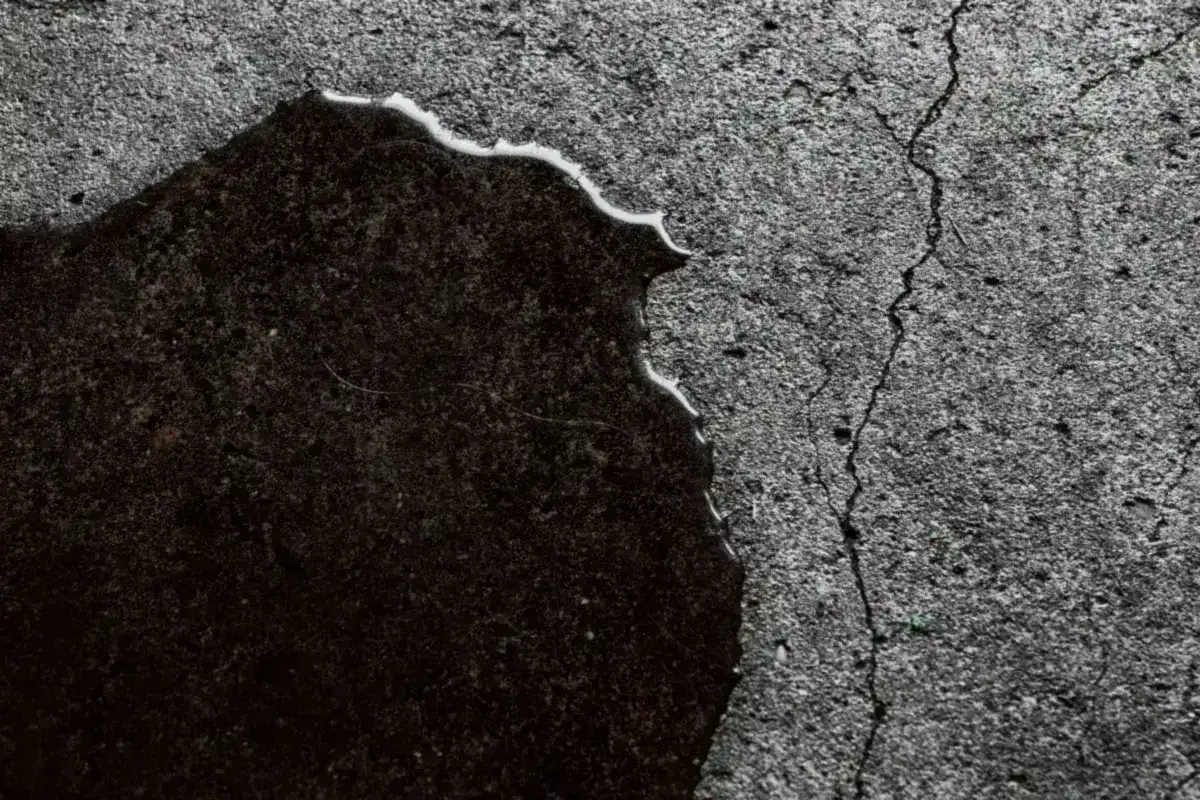
Signs Of A Leak Under The Slab
Slab leaks testify indirectly. The evidence looks like this:
- A water bill that climbs month over month with no change in the household's habits.
- One warm spot on tile or hard flooring, a hot-water line leaking beneath that section of slab.
- Flooring that cups, buckles, darkens, or feels soft in a room with no plumbing fixture in it.
- The sound of water moving when the house is silent and every tap is closed.
- Baseboards or the bottom of walls damp or swollen along one run of the house.
- A patch of yard or planting bed above the line's route that stays green and soft while the rest dries out.
Slab Leaks And Sherman's Clay: The Long Game
A slab leak in Sherman is rarely bad luck alone; it is the local geology keeping an appointment. Clay that swells in a wet spring and shrinks in a dry August works every buried joint and every rigid run, year after year, while the water inside those lines does its own slow chemistry on older metals. That is why the same streets produce the same calls in waves, and why a home that has had one slab leak deserves a plumber's honest assessment of the whole system's remaining life, not just a patch over the break that happened to surface first.
Homeowners can shift the odds. Keeping the soil moisture around a slab foundation reasonably even, the reason foundation watering is a North Texas ritual, reduces the amplitude of the clay's movement and the stress it passes to buried lines. Watching the meter quarterly, the two-minute test with every fixture off, catches losses while they are still small. And keeping the paperwork from any slab work with the house's records, detection reports, repair route, drying log, gives the next owner the map you wished the last one had left you.
Questions & Answers
How Is A Slab Leak Found Without Tearing Up The Floor?
In stages. The meter test confirms the house is losing water. Isolation checks narrow the loss to the hot or cold side, then acoustic listening gear hears the leak's hiss through the concrete and thermal imaging can corroborate a hot-water break by its warm signature. Only once the location is pinned does any concrete open, and by then the opening is the size of the repair, not the size of the search.
Is A Slab Leak The Same As A Burst Pipe?
It is the quiet member of the same family. Our burst pipe page treats slab leaks as one burst pattern, the sudden ones; this page owns the slow version end to end, detection support, the repair decision, and the drying that follows, because a leak that ran for weeks leaves a different moisture problem from one that ran for a day.
Spot Repair Or Reroute: Which Is Better?
It depends on the line's age and condition. A single break in an otherwise sound line suits a spot repair. Lines that are corroding as a system, common in older galvanised and early copper installs, tend to leak again a few feet along, and a reroute that takes the new line out of the moving clay ends the pattern instead of postponing it. The plumber makes the call with the detection findings in hand; the drying plan is built around whichever route is chosen.
Can The Floors Be Saved?
Often, yes, when the leak is caught reasonably early and drying starts promptly: tile on the slab usually survives cleaning and drying, and many hard floors dry back. Laminate and engineered boards that have swollen at the seams, and carpet that sat over a long-running leak, usually cannot. The moisture map, not optimism, decides material by material.
How Long Does The Drying Take After The Repair?
Typically several days of monitored drying once the line is fixed, longer where the leak ran for weeks and the slab's edge and wall bases are saturated. Readings at the mapped points, not the calendar, end the job: the equipment leaves when the materials reach the same moisture range as the dry parts of the house.
Related Services
Burst Pipe Water Damage
Freeze splits, slab leaks, and sudden line failures, water extracted and dried, wet cavities opened where needed, and the room restored.
About this service →Flood Damage Cleanup
Storm and rising-water cleanup for Sherman homes: extraction, mud and debris removal, sanitising, and full structural drying.
About this service →Appliance Leak Cleanup
Water heaters, washing machines, dishwashers, and ice-maker lines, small connections that cause outsized floods when they finally fail.
About this service →Water Damage Help Across Sherman
The same slab leak cleanup work is done across Sherman, in Texoma Parkway Corridor, where the housing stock shapes the job, and in Austin College Area as well. See all Sherman service areas for the full picture of where our network works.