
The distinction that organises this page: rising water versus arriving water. When rain overwhelms the ground and comes in at floor level, that is the flood pattern, and it belongs to our flood damage cleanup page, with its contaminated-water rules. Storm damage is the other direction: water arriving through and over the building during the event itself, lifted shingles and torn flashing letting rain into the attic, wind driving rain sideways through vents, seals, and window frames that hold fine in vertical weather, a limb through the roof deck converting the whole roof plane into a funnel. The two often arrive in the same night, and a single job can carry both, but they are scoped and documented as what they are.
Grayson County's storm calendar runs from the spring supercells through summer downbursts to the remnants of Gulf systems in the autumn, and Sherman's housing meets it with the usual North Texas mix: composition shingles ageing under hard sun, attic turbines and vents, mature oaks and pecans overhanging roofs in the older neighbourhoods. The cleanups that follow a big cell here have a rhythm: secure the envelope so the next rain band does not repeat the damage, then work the water that is already inside, which has usually had hours to travel along joists, insulation, and wall cavities before anyone climbs into the attic to look.
The post-storm walk is worth doing properly, because storm water is a traveller. Start in the attic with a torch after any storm that lifted shingles or dropped limbs: look for wet decking, darkened rafter lines, and insulation that has matted down where water ran through it. Then walk the ceilings below with the same suspicion, and check the tops of exterior walls where driven rain enters. Our guide to flood cleanup order after a storm sequences the whole first day; the storm-specific version of that walk is simply to look up before you look down.

How Storm Damage Cleanup Works
Once the storm has passed and it is safe to work, the sequence is:
- Safety and the envelope come first, downed limbs, damaged decking, and electrical hazards assessed, and openings covered or tarped so the next band of rain stays outside.
- The entry points are mapped, every path the water took is identified and photographed, roof openings, driven-rain entries, failed seals, because the record drives both the repair list and any claim.
- Standing water is extracted from rooms, and pooled water in ceilings is drained in a controlled way before saturated drywall can fall.
- Soaked insulation and unsalvageable materials come out, attic insulation that drank roof water does not dry reliably in place and holds moisture against the ceiling below.
- Interiors are sanitised where the water's path demands it, storm water that crossed roofing, attic dust, and insulation is not treated as clean water once it arrives in a room.
- The structure is dried with monitoring, directed air into attic and wall cavities, dehumidification, and daily readings until assemblies reach their dry standard.
- Permanent repairs are sequenced, the roofer's repair confirmed sound before ceilings and walls are closed, so the restored room is not sealed under a still-leaking roof.
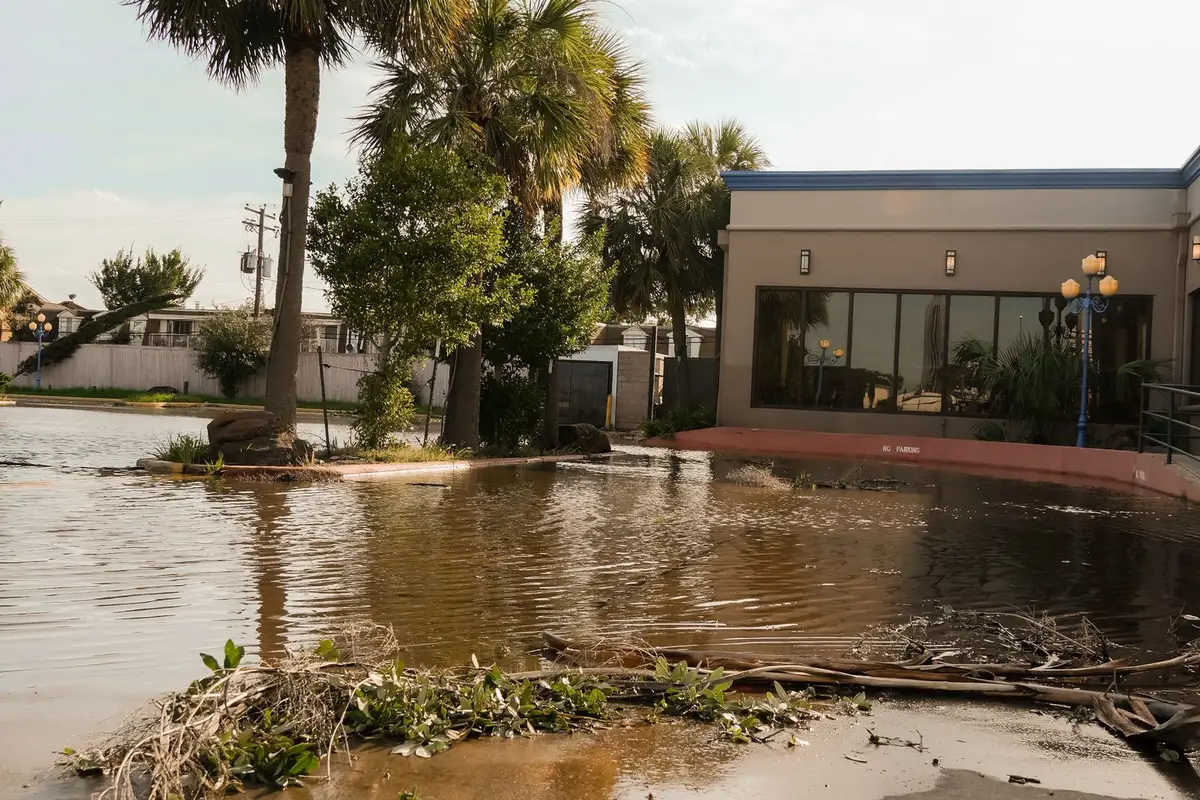
Signs A Storm Let Water Into The Structure
After a major storm, inspect for these before assuming the house came through:
- Ceiling stains or a faint tide line appearing in the day or two after the storm, water that travelled before it showed.
- A musty, attic smell in upstairs rooms that was not there before the event.
- Shingles, flashing, or ridge pieces in the yard, or a visibly lifted or curled section of roof.
- Water marks inside the attic on decking, rafters, or the tops of ceiling joists.
- Paint bubbling high on exterior walls, wind-driven rain entered and ran down inside the cavity.
- A door or window that leaked during the storm and now shows swollen trim or a damp sill days later.
Wind-Driven Rain: The Entry Nobody Sees
The hardest storm water to trace is the rain that never came through a hole. Driven horizontally by storm wind, rainwater pushes through lapped siding joints, vent hoods, window seals, and the weep systems around brick veneer, paths that shed vertical rain perfectly well for decades. Inside the wall it runs down the cavity and announces itself at the floor line or an outlet, feet of travel from where it entered, which is why driven-rain jobs are scoped by moisture readings across whole walls rather than by the position of the stain.
Prevention lives in the unglamorous details: sealant joints renewed on the storm-facing elevations, vent and penetration flashing checked when the roof is serviced, and attic vents baffled where wind has historically pushed rain through them. Sherman's storms arrive from the south and west most often, and the elevations facing those directions earn their maintenance first. A contractor scoped for storm work can usually point at the likely entries from the ground; the fixes themselves are a roofer's and a carpenter's short list, far shorter than the cleanup list for ignoring them.
Questions & Answers
How Is This Different From Flood Cleanup?
Direction and source. Flood cleanup handles water that rose from the ground and entered at floor level, carrying soil and street contamination with it. Storm cleanup handles water the event drove or poured through the building envelope, roof, vents, windows, and walls. Our flood damage cleanup page owns the rising-water pattern; this page owns the storm-event pattern, and a big Grayson County storm can produce both in the same house on the same night.
The Storm Is Over But Rain Is Forecast Again Tomorrow. What Comes First?
The envelope. A tarp or temporary cover over a roof opening, and clearing the drainage paths the water used, protects everything the cleanup is about to dry. Contractors sequence storm work exactly that way: weather-tight first, then extraction and drying, because drying a house under an open roof is work billed twice.
A Tree Limb Came Through The Roof. Who Does What?
The tree work and the roof repair belong to a tree service and a roofer respectively; the restoration contractor handles the water damage inside, extraction, insulation and drywall decisions, drying, and the interior restoration. The call sequences them: envelope secured, interior scoped against the moisture map, and nothing closed until the roof above it is sound.
Does Insurance Separate Storm Water From Flood Water?
Generally, yes, and it matters. Wind-driven rain and roof-opening damage from a storm are typically handled under a homeowners policy's wind and water provisions, while rising-water flooding is the separate flood-insurance territory. We cannot interpret your policy; what the contractor does is document entry points and damage by source from the first visit, which is exactly the distinction any claim will turn on.
Why Is There A Stain But The Attic Insulation Feels Dry On Top?
Because insulation shows its dry face upward. Roof water soaks through the batt or blown layer and pools against the ceiling board beneath it, while the top surface can feel dry within a day. Readings are taken at the ceiling assembly and in the cavity, not by a hand pressed on the insulation's surface, and soaked insulation is weighed and checked from below before anyone calls it dry.
Related Services
Flood Damage Cleanup
Storm and rising-water cleanup for Sherman homes: extraction, mud and debris removal, sanitising, and full structural drying.
About this service →Roof Leak Water Damage
Water entering through the roof: entry paths traced, attic and ceiling cavities dried, and damaged materials repaired or replaced.
About this service →Water Extraction & Removal
Standing water pumped and vacuumed out of floors, carpets, and crawlspaces, the step that limits every bit of damage after it.
About this service →Water Damage Help Across Sherman
Across town the picture changes with the houses: Downtown & the Courthouse Square brings its own version of this problem, and so does East Sherman. The Sherman service areas pages walk through each part of town.