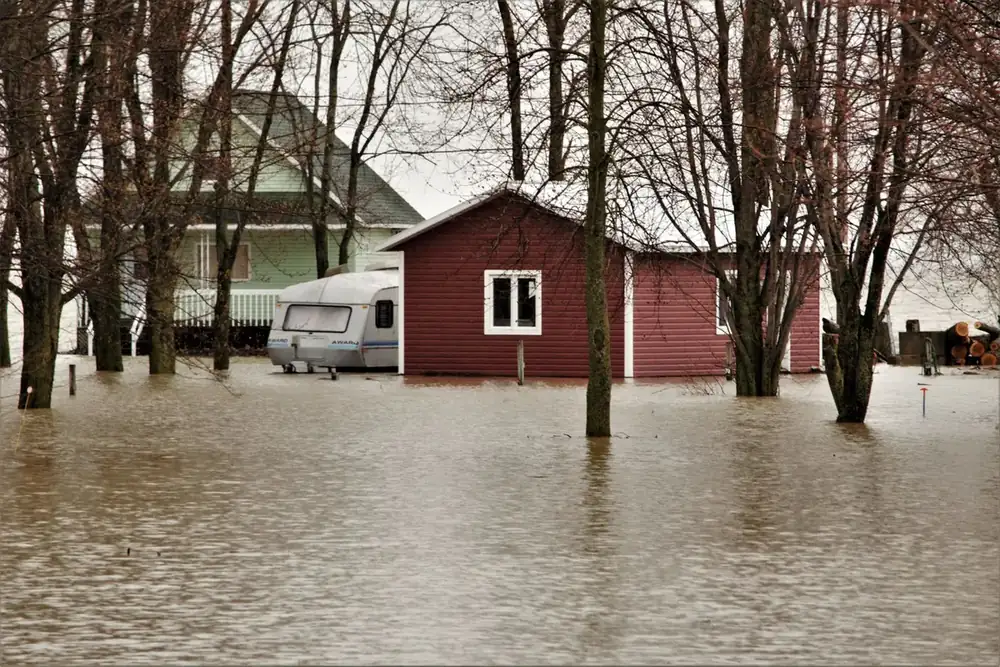
Step 1: Safety Before Cleanup
Floodwater is the most hazardous water that enters a home, it has crossed streets, yards, and drainage on its way in and must be treated as contaminated, a point federal guidance at Ready.gov's flood pages makes plainly. Before any cleanup: keep out of water that reaches electrical outlets, panels, or appliances; if the breaker panel is safely reachable and dry, cut power to affected circuits. Watch footing, silt makes hard floors treacherous, and be alert for displaced pests, a genuine North Texas flood companion. If the structure itself took damage, a wall shifted, a floor sagging, that room waits for a professional assessment, not a cleanup crew of family.
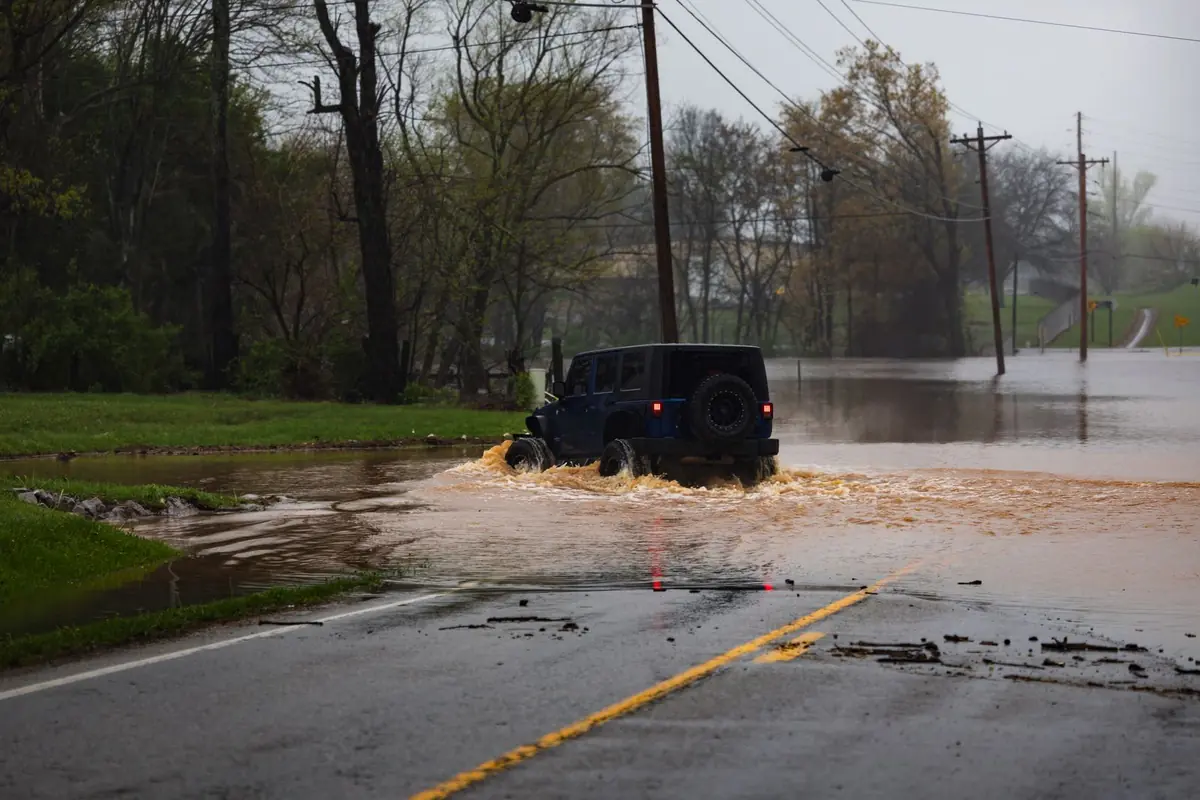
Only when the water has receded and the rooms are safe to enter does the sequence below begin. This safety-first order is the same one behind professional flood damage cleanup, scaled to a household's first hours.
Step 2: Document, Then Mud-Out
Photograph and video everything before it moves: water lines on walls, silt depth, damaged contents in place. Documentation feels like a delay when you are standing in a flooded kitchen, but it is the record every insurance conversation will run on, and it takes minutes now and is impossible later. Then the physical work starts with the mud: shovel silt out while it is wet and workable, dried flood mud sets like adobe, and extract standing water as you go. Work from the least-affected areas toward the worst so you are never tracking contamination into cleaner rooms.
Contents come out in this stage too: rugs, boxes, upholstered items that took floodwater. Anything the water reached that can go outside to a sorting area should, the sorting decision (cleanable versus ruined) is step 3, but it cannot be made sensibly indoors in the mud.
Step 3: What Stays, What Goes
Floodwater's contamination drives the hardest calls. Porous materials it soaked, carpet and pad, drywall and its insulation, particleboard furniture and cabinets, mattresses, cannot be sanitised reliably and come out. Hard surfaces, tile, sealed concrete, solid wood that hasn't swollen apart, metal, glass, can be washed and treated and stay. The rule is not 'everything the water touched is ruined'; it is 'everything the water soaked into is suspect.' When a Sherman spring storm pushes water an inch deep through a house, that rule still preserves most of a home's structure and hard finishes, what it removes is the material that would otherwise hold contamination and moisture against them for months.
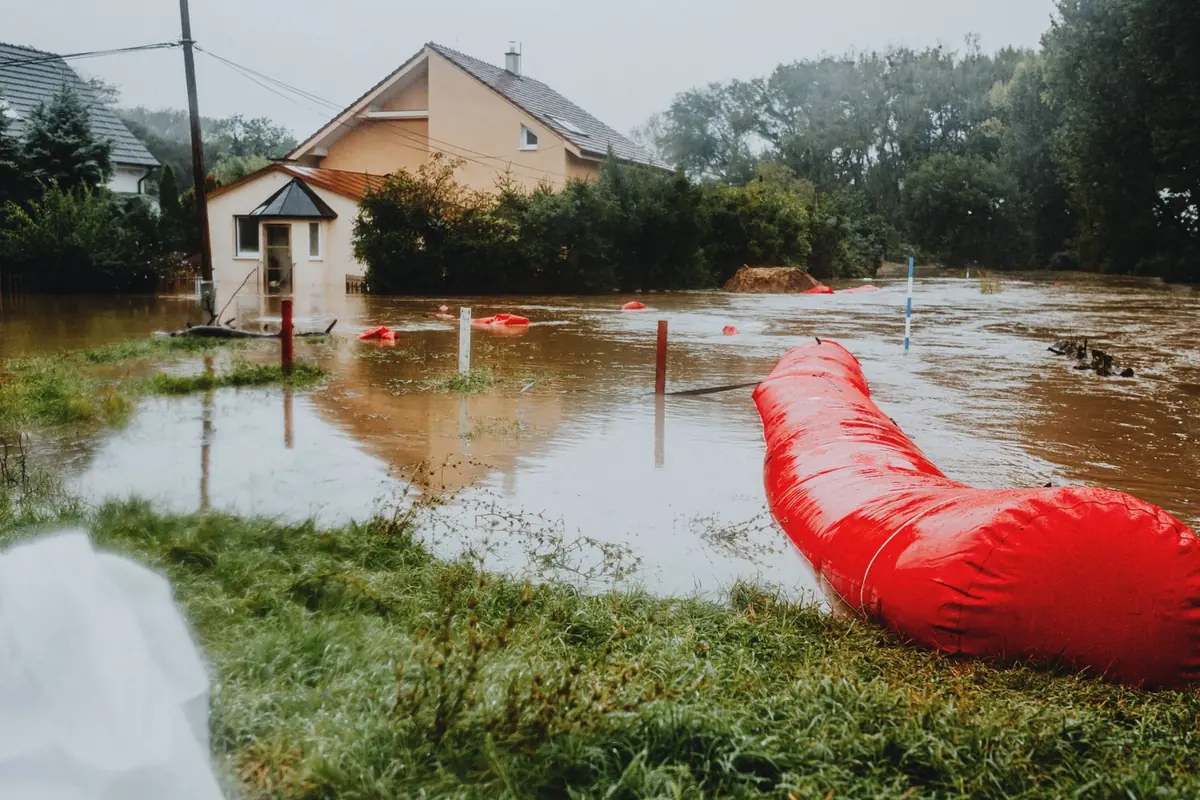
Step 4: Wash, Sanitise, Dry, In That Order
With the mud and the ruined material out, hard surfaces get washed down, silt carries contamination into every seam, and treated with an appropriate antimicrobial before drying begins. Drying last is deliberate: air movers blowing across unsanitised flood residue just distribute it. The drying itself is the standard monitored process, air movement plus dehumidification with daily readings, and on a Sherman slab home it includes attention to what the water did at the slab's edge and under the remaining flooring.
One more order-of-operations note, for the storm's second act: find the entry points while the evidence is fresh. The garage seam, the low threshold, the overwhelmed drain, knowing how the water came in is what turns this from an annual ritual into a one-time event, and the contractor's documentation will note them.
Storm cleanup done in the right order is slower on day one and finished weeks sooner: safe rooms, a documented loss, mud out while it is wet, honest removal, sanitised surfaces, then measured drying. Done out of order, fans on mud, paint over silt, it is the flood that keeps on giving. For the ground all of this sits on, and why Sherman's slabs change the drying maths, see our companion piece on slab foundations and water, and if the water is in your house now rather than in a forecast, restoration help in Sherman starts with one call.
Two spaces are forgotten in almost every flood cleanup, and both matter in Sherman. The crawlspace, in the pier-and-beam homes downtown and near the college: storm water can sit there for a week after the rooms are dry, feeding the floor system from below, and it needs the same extraction and drying attention as any room, ask after it specifically. And the HVAC system: floor-level returns and ductwork that took water will distribute whatever the flood left in them through the whole house the first time the system runs. Both belong on the contractor's list, not in the category of things discovered next season.
Garages earn an honourable mention: they flood first, are cleaned last, and hold the paint cans, chemicals, and stored paper that turn a water event into a contamination errand. Photograph the garage with the same care as the kitchen, insurers count its contents too.
One scoping note specific to storms: the order above covers water that rose or pooled at ground level. Where the storm instead came through the building, lifted shingles, a limb through the deck, rain driven through vents and seals, the job is scoped as storm damage cleanup, with the envelope made weather-tight before any drying begins. The same storm can easily produce both jobs in one house.