
Commercial buildings flood from commercial causes. Flat and low-slope roofs pond water until a drain blocks or a seam gives up. Sprinkler lines and commercial water heaters fail at building scale. Restroom supply lines let go on a Friday night and run until Monday's opening. A restaurant's grease-area plumbing and a medical suite's steriliser feed are small lines with large consequences. On the Texoma Parkway corridor and in the downtown square alike, the first discovery is often an employee opening up to water already through several rooms, the commercial version of the residential pattern, with a lease and a till attached.
The work itself follows the same physics as residential restoration, extract, remove what cannot be saved, dry to a measured standard, but the planning differs. Drying gets phased so unaffected parts of the business can keep trading. Containment keeps dust and work zones away from customers and stock. Equipment runs after hours where noise matters. And the documentation pack, moisture logs, photographs, scope notes, is assembled for the several parties who will ask for it: the business's insurer, the landlord's insurer, and the property manager in between.
The parkway's multi-tenant buildings add a coordination layer residential work never meets: the water that starts in one suite finishes in two others, and each tenant, landlord, and insurer has a legitimate interest in the same wet wall. Commercial scopes are therefore written to be shared, clear about what was wet, what was done, and what each party's space needs next, from the first day, not reconstructed when the invoices arrive. The first walkthrough typically includes the property manager or their representative for exactly this reason: agreement at the start about what is wet, what is closed, and what happens in which order is worth more than any single piece of equipment that follows it.
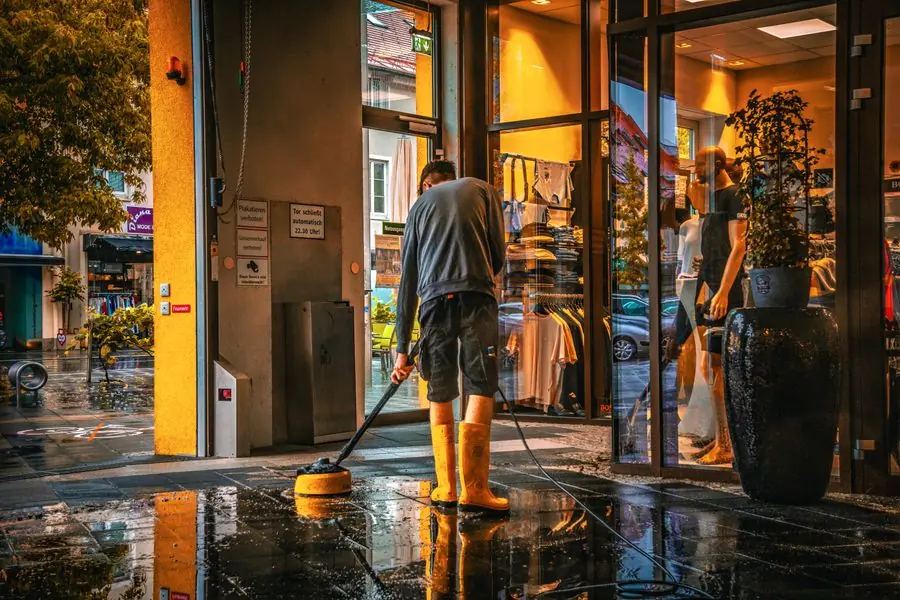
How Commercial Restoration Works
A commercial job in Sherman is scoped and run like this:
- Priority assessment and shutoffs, the building's water shutoff points are located fast; commercial systems have several, and the wrong guess costs a floor.
- Large-volume extraction, equipment scaled to open floor plans and long runs, including water that travelled under commercial flooring systems.
- Containment and phased work, barriers seal the work zone so clean areas can stay open, with work scheduled around trading hours where that is what the business needs.
- Scaled drying with daily logs, dehumidification sized to the volume, readings recorded across the space, and areas released back to use as they verify dry.
- A documentation pack for every party, photos, moisture logs, and scope records prepared for insurers, landlords, and property managers from day one.
- Restoration coordinated with the tenancy, finishes rebuilt in the agreed order, so the business reopens rooms in a sequence that suits its operations.
- Stock and equipment protected in parallel, inventory and machinery in the water's path are moved, covered, or documented in place during the first visit, not discovered ruined at reopening.
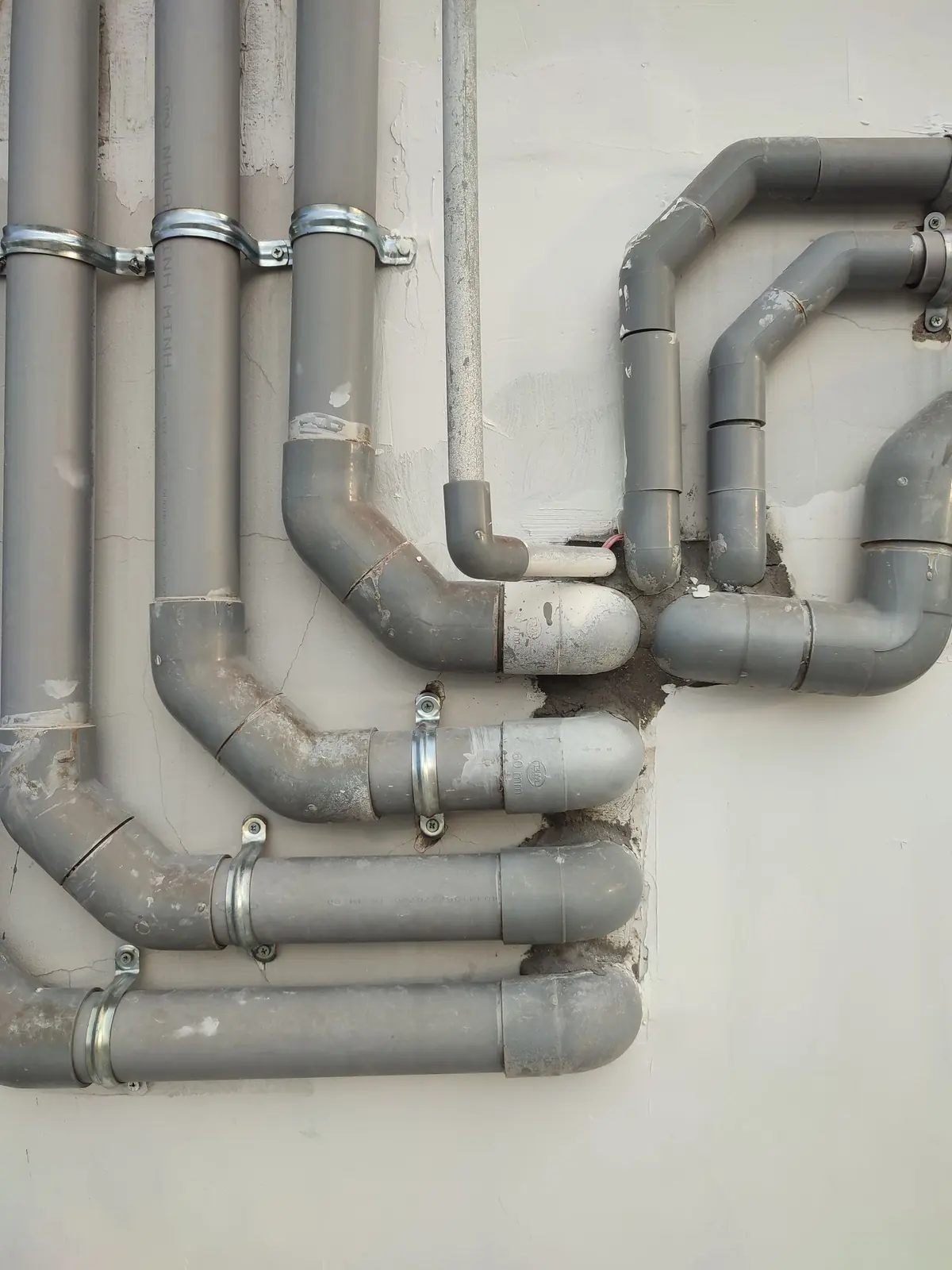
Signs Your Building Has A Hidden Water Problem
Commercial leaks hide in plain sight for months. The early evidence:
- Overnight water usage on the meter when the building is closed and nothing should be running.
- Ceiling tile stains that keep returning in the same grid squares, however often tiles are swapped.
- A musty smell at opening time that airs out by midday, moisture waking up with the HVAC.
- Paint bubbling or flooring lifting along one exterior wall, low and getting worse.
- Restroom drains that back up repeatedly despite clearing, a line problem, not a clog problem.
- Utility bills for the business climbing without a change in trade, commercial meters notice buried and hidden leaks the same way household ones do.
Documentation And Hours: The Commercial Differences
Commercial restoration is documented like it will be audited, because it usually is. The pack assembled during the job, date-stamped photographs, daily moisture logs, equipment records, scope notes, and affected-inventory lists, is what the business's insurer, the landlord's insurer, and the property manager each need to close their files, and it is also the raw material of a business-interruption claim, where the hours closed have to be evidenced rather than asserted. Businesses that keep their own parallel record, closure times, spoiled stock, cancelled bookings, make that claim considerably easier; the contractor's pack and the business's records are designed to agree.
The schedule is the other difference. Drying equipment is loud and containment takes floor space, so commercial plans routinely run heavy work after closing and through weekends, phase the space so unaffected departments keep trading, and release rooms back as their readings verify, a restaurant's dining room need not wait for its store room's schedule. What cannot be phased is safety: contaminated water in customer areas, or water through electrical systems, closes the affected space until it is cleaned, and a contractor who tells you otherwise is telling you what you want to hear. The businesses that come through water damage best are the ones that treat that honesty as the plan's foundation rather than its obstacle.
Questions & Answers
Can We Stay Open During Restoration?
Often, at least partially. If the affected area can be contained and the water was clean, phased drying lets many businesses keep trading in the unaffected space. Sewage, flooding across customer areas, or damage to essential systems can force a closure, the contractor will give you a straight assessment of which case you are in before you have to decide anything.
Who Pays, Tenant Or Landlord?
That is set by your lease and your respective insurance policies, not by the restoration contractor. What the contractor does is document the damage and the work in a form both parties and both insurers can use, and scope the job so responsibilities are easy to split. Getting the documentation right from day one saves the argument later.
A Sprinkler Line Discharged. Is That Different?
The water itself is clean water, but the volume is large and it reaches everywhere at once, ceilings, stock, electronics, several rooms in minutes. The response is extraction at scale and fast drying, plus documentation of affected inventory and equipment for your insurer. Equipment and stock decisions should be made with the contractor before anything is moved or dried.
Do You Handle Restaurants And Food Businesses?
Yes, with the obvious caveat: after sewage or floodwater, food-contact surfaces and stored food are a health question, and the contractor works to the applicable requirements and will tell you plainly what cannot be cleaned back into service. Getting that call right protects both your customers and your licence.
How Fast Can A Contractor Get To A Commercial Property?
Call as soon as the damage is found, commercial losses grow with every hour water sits in wall systems and under flooring, and early extraction is what keeps a one-room problem from becoming a whole-building one. Phones are answered 7 days a week, and the contractor will agree the first visit time on the call.
Related Services
Water Extraction & Removal
Standing water pumped and vacuumed out of floors, carpets, and crawlspaces, the step that limits every bit of damage after it.
About this service →Structural Drying & Dehumidification
Air movers and dehumidifiers placed to a plan, moisture readings taken daily, and materials dried to a measured standard, not a guess.
About this service →Flood Damage Cleanup
Storm and rising-water cleanup for Sherman homes: extraction, mud and debris removal, sanitising, and full structural drying.
About this service →Water Damage Help Across Sherman
Across town the picture changes with the houses: East Sherman brings its own version of this problem, and so does Texoma Parkway Corridor. The Sherman service areas pages walk through each part of town.