
Austin College has anchored this part of Sherman since 1849, it is among the oldest colleges in Texas still operating under its original charter, and its campus at 900 North Grand Avenue sits roughly a mile and a half north of the courthouse square. The neighborhood that grew around it is one of the city's most settled: tree-lined streets of older homes, some owner-occupied for generations, others rented to the students the college brings to town each year.
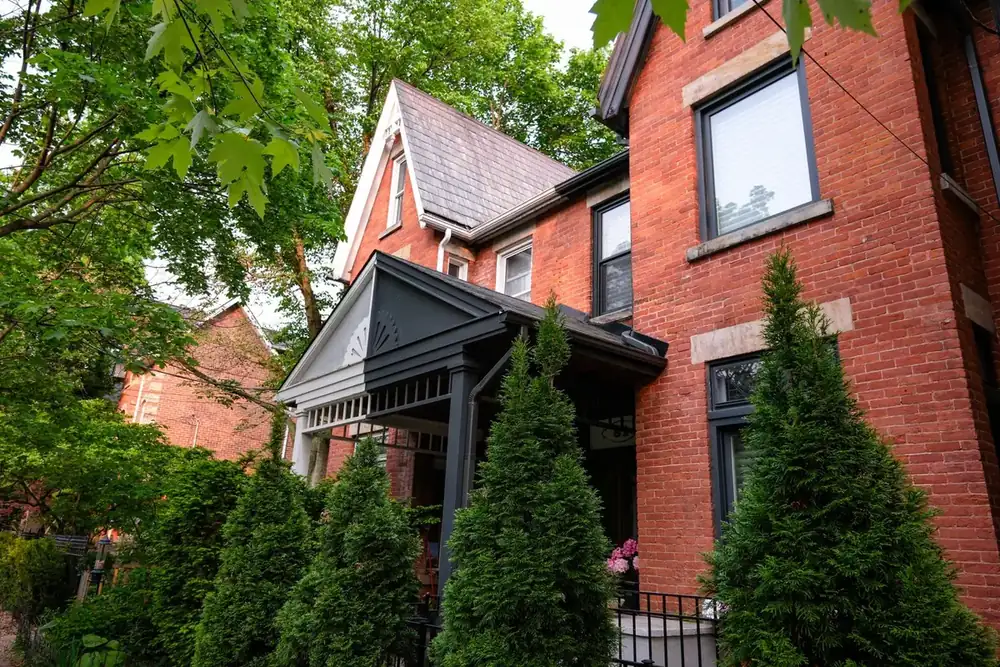
That mix shapes the water damage. The houses carry the same aging infrastructure as downtown, galvanized supply lines, cast-iron drains, pier-and-beam foundations, but the rental cycle adds a twist: a slow leak that an owner would notice in a week can run for a semester in a house where tenants assume the musty smell is just an old house, or sit entirely undiscovered in the gap between one lease ending and the next beginning. By the time anyone calls, a drip has become a floor.
The academic calendar is a plumbing factor here in a way it is nowhere else in Sherman. Houses empty out over the winter break and thin out in summer; water heaters sit, pipes sit, and a leak that begins in an empty rental in mid-December can run until the January return. Owners who shut the water off at the main during breaks, and drain the vulnerable lines, remove the neighborhood's single most destructive scenario at the cost of ten minutes in December. A water alarm in the utility area earns its place on the same list for occupied months: it converts the semester-long leak into a first-week phone call.
Homes Around The College
- Early-1900s houses on the streets feeding Grand Avenue, the college's contemporary neighbors, built on pier-and-beam with period plumbing updated in patches.
- Established mid-century homes a few streets out, slab and pier-and-beam mixed, with mature landscaping and big oaks throughout.
- Student rentals and divided older homes, higher water use per house, more bathrooms added over the years, and plumbing that serves more people than it was designed for.
- Landlord-owned properties between tenancies, the highest-risk category in the neighborhood for leaks that run undiscovered.
- Garages and outbuildings converted to studios over the years, plumbed as additions, often with supply lines run through uninsulated walls and ceilings.
Water Problems We See Near The College
- Leaks discovered at move-in, the new tenant or the returning owner finds the stain, the soft floor, or the smell that the last month of vacancy produced.
- Root-blocked clay drains, the neighborhood's mature oaks work the same joints as downtown's, and backups follow.
- Crawlspace leaks under pier-and-beam homes, quiet drips that soak floor systems before anyone inside notices a thing.
- Freeze splits during winter break, rentals sitting empty and lightly heated over the holidays are Sherman's classic January burst-pipe call.
- Upstairs bath leaks in divided homes, added bathrooms mean added supply and drain lines, often run through ceilings never designed to carry them.
- Conversion plumbing failures, the added bathrooms and kitchenettes of divided houses carry more fittings in improvised runs, and they age faster than the original work around them.
The neighborhood's calls split between sewage cleanup for the root-blocked laterals and water extraction once a long-running leak is finally found. Landlords take note: a vacant week is when a small leak does its largest damage, the shutoff is the simplest protection there is. Owners between tenancies should treat a plumbing once-over as part of the standard turnover, alongside the locks and the paint.
Questions Specific To The Austin College Area
I'm A Landlord, Can I Make The Call For A Rental Property?
Yes. Owners and property managers call for their rentals regularly, and students call too when they are the ones standing in the water. The work agreement is made with whoever is authorised for the property, and the documentation suits an owner's records as well as an insurer's.
A Leak Ran In My Rental For Weeks Before Anyone Noticed. How Bad Is That?
It depends on the source and the materials, but weeks of water is a different job from a day of water: expect a wider moisture map, more material that cannot be dried back, and a careful mold check before anything closes up. It is recoverable, it just has to be scoped honestly, which starts with the readings, not with reassurance.
Who Is Responsible For Water Damage In A Rental?
Responsibility between landlord and tenant is set by the lease and Texas law, not something a restoration contractor decides. What matters practically is that the water gets stopped and dried promptly whoever calls: mitigation protects the property, the tenant's belongings, and everyone's position with their insurer.