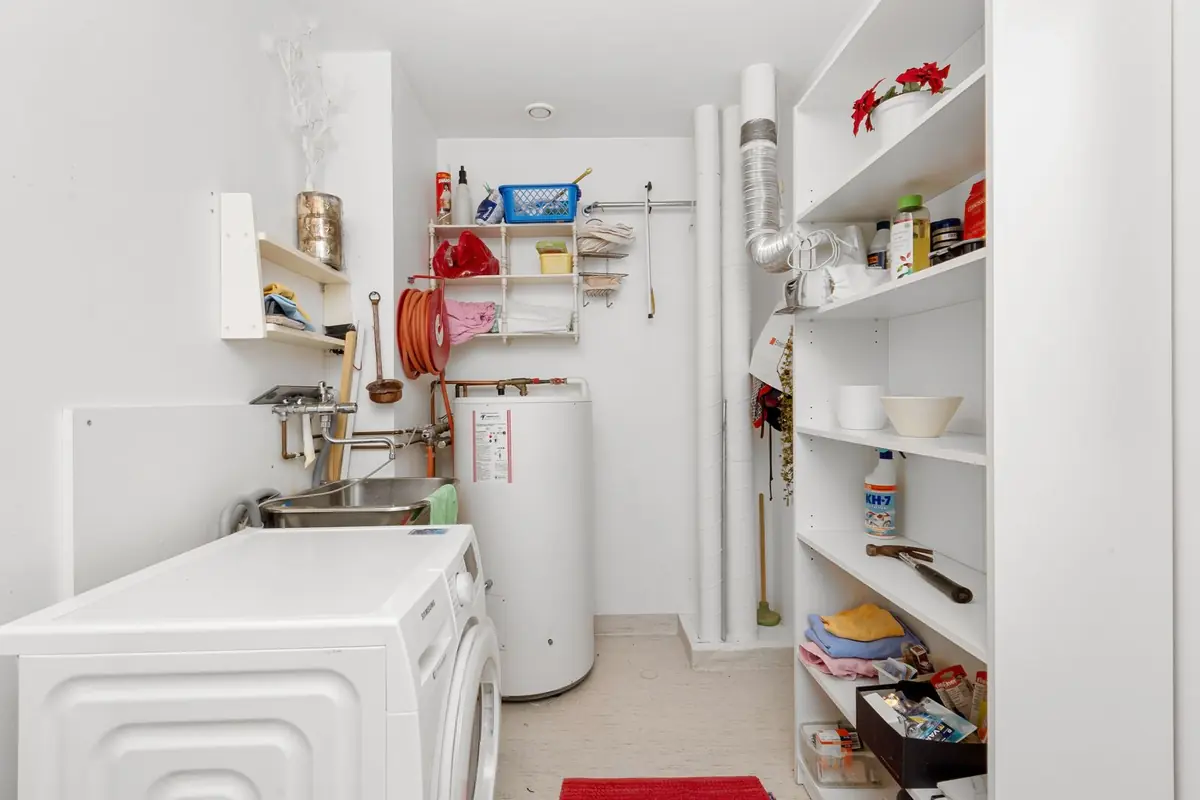
Step 1: Cut The Energy
A water heater is a pressurised tank of very hot water connected to either a breaker or a gas line, and the energy source goes off first. For an electric heater, switch its breaker off at the panel, heating elements running in a drained or leaking tank burn out, and electricity plus standing water is a combination to end immediately. For a gas heater, turn the control knob on the unit to 'off' (or 'pilot' if you only need it paused); if you smell gas strongly at any point, stop, leave, and call the gas company or 911 from outside instead, that instruction outranks everything else in this guide.
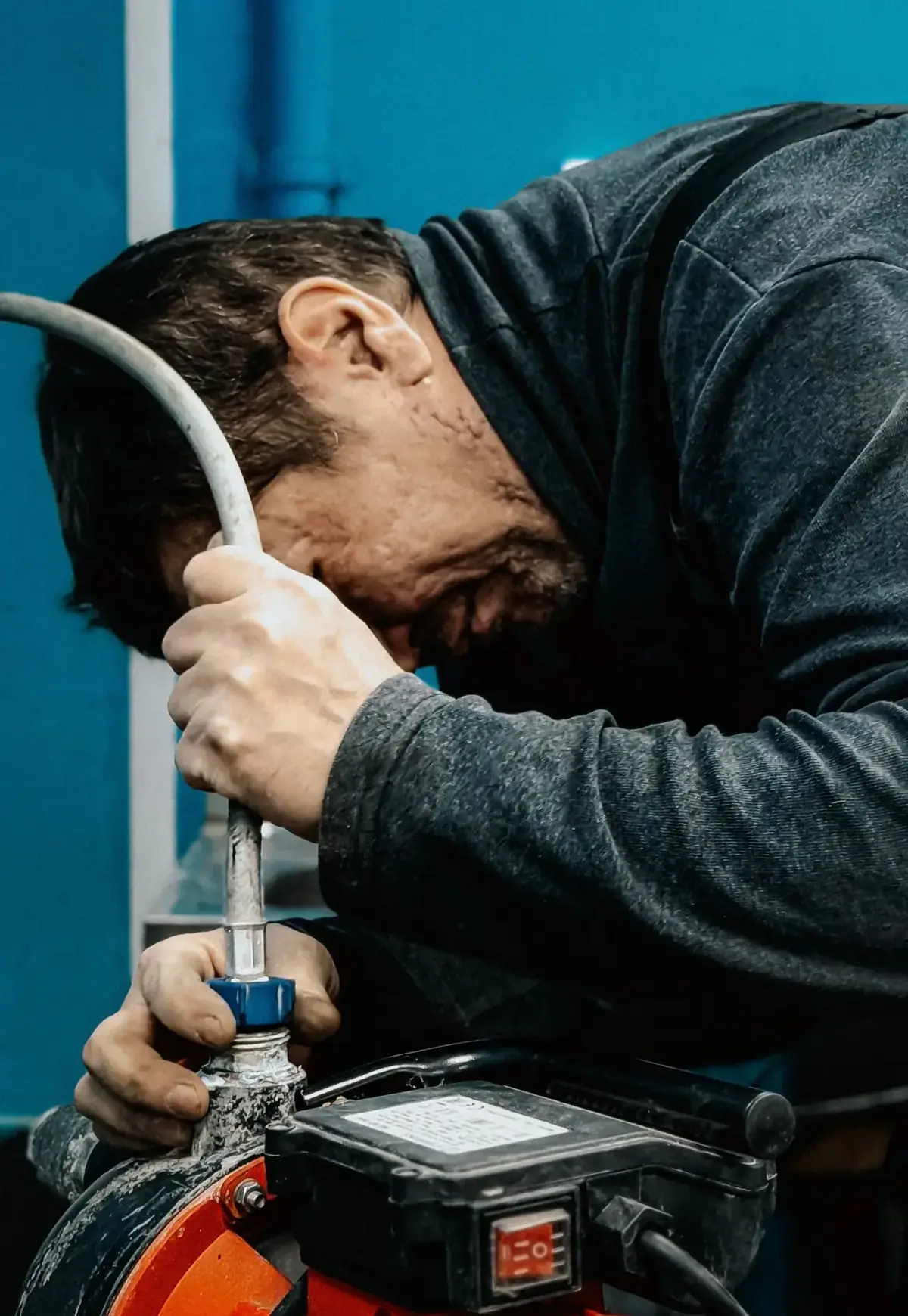
Step 2: Close The Cold-Water Supply
The valve that matters next is the cold-water inlet, usually on the pipe entering the top of the heater, often with a lever or gate handle. Closing it stops the tank refilling, which is what converts a forty-gallon problem into a forty-gallon-and-continuing problem. If that valve is stuck, corroded, or missing, close the home's main shutoff instead. Only once the inlet is closed does draining make sense: attach a garden hose to the drain valve at the tank's base and run it to a floor drain or outside, then open the valve and a hot-water tap somewhere in the house to let air in. Respect the temperature, the first water out is scalding, and never drain toward a finished room.
While the tank drains, protect the room it stands in. In Sherman's garages and utility closets that means moving stored boxes and anything absorbent off the floor, and in the two-story subdivisions where heaters live in attics, it means checking the ceiling below, an attic leak announces itself there, and that damage is exactly what appliance leak cleanup exists to handle.
Step 3: Repair Or Replace, How The Decision Gets Made
Where the water comes from tells the story. A leak at a fitting, valve, or the temperature-and-pressure relief line is often a repairable part, a plumber swaps the component and the tank lives on. Water weeping from the tank body itself, rust streaks at the base, moisture beading through the jacket, means the steel has corroded through, and no repair exists: replacement is the only honest option, and delaying it risks the tank failing completely rather than weeping.
Age informs the call. A heater well into its service life that needs a significant repair is usually money better spent on replacement. Either way, the water damage side runs in parallel: the floor, walls, or ceiling that got wet need checking with a meter, because a slow tank leak often runs far longer than the day it was noticed.
The Attic-Heater Difference
Sherman's newer two-story homes, particularly west of the parkway, commonly put the water heater in the attic to save floor space, which trades a minor nuisance for a major one when it leaks. The protections are the drain pan under the unit (which should be bone dry; water standing in it is a leak already in progress) and the pan's drain line, which should be clear. Check both seasonally. When an attic tank does go, the water's path is down through insulation and ceiling, the stain pattern that ceiling and wall damage from slow leaks describes, and the cleanup reaches two storeys instead of one room.
Power off, water closed, tank drained safely, room protected: that sequence turns a leaking heater from a flood into a plumbing appointment. The other appliance that floods houses on a quieter schedule has no tank at all, just two pressurised hoses behind the washing machine, and it gets its own guide: washing machine hose failures. Between the two appliances, you have the source of a large share of Sherman's water damage calls.
Two smaller heater behaviors deserve decoding while you are here. A discharge from the temperature-and-pressure relief valve, the pipe running down the tank's side, is the valve doing its job against excess pressure or temperature, or failing itself; either way it is a plumber's visit, not a curiosity, and a valve that drips steadily is announcing a pressure problem elsewhere in the system. And a heater that rumbles or pops as it heats is boiling water through a layer of sediment on the tank floor, the sound of efficiency dying and the tank's life shortening, worth a flush or a replacement conversation before it becomes this guide's opening scene.
When replacement is the answer, the decisions are a plumber's territory, but the homeowner's interest is simple: a like-for-like swap is fastest, and it is the moment to correct the installation's weak points, a drain pan with a clear drain, an accessible shutoff that actually turns, and, in an attic, a pan alarm. The tank is replaced once a decade or so; the protections installed with it pay out for the whole of that decade.